Introduction: This article aims to help technical decision-makers and operation and maintenance personnel interpret key indicators and match business needs based on ceranetworks US server evaluation results to ensure that the selected configuration achieves the best balance between performance, stability and cost.
When reading ceranetworks reviews, you should pay attention to indicators such as CPU benchmarks, memory bandwidth, disk IOPS, storage latency, network throughput and latency, availability and SLA. Each indicator corresponds to different scenarios, and a single indicator should be avoided to determine the final configuration.
The CPU benchmarks in the review reflect single-threaded versus multi-threaded capabilities. For highly concurrent services or parallel computing tasks, priority should be given to multi-core throughput and frequency stability; for lightweight applications, single-core performance and response latency are more critical.
Memory benchmark results reveal the impact of capacity and bandwidth on database caching, in-memory computing, and concurrent connections. For memory-sensitive workloads, sufficient margin should be reserved based on the bandwidth and latency performance in the evaluation to reduce swapping and frequent GC.
ceranetworks' storage tests usually include random and sequential read and write, IOPS and latency. Databases and transactional applications should give priority to solutions with low latency and high IOPS; object storage or cold data can focus on capacity and cost optimization.
Network evaluation focuses on uplink and downlink bandwidth, jitter and cross-region delay. Services for local users in the United States need to pay special attention to local latency and bandwidth stability; cross-border services also need to combine CDN and edge node capabilities to evaluate the overall experience.
The data on fault recovery, restart frequency and historical availability in the evaluation can reflect the stability of the platform. When selecting, you should consider the enterprise's fault tolerance strategy and confirm whether the SLA terms, backup mechanism, and technical support response time meet business continuity requirements.
Pay attention to the actual performance and limitations of vertical expansion and horizontal expansion in the evaluation. The ideal configuration should support smooth upgrades, online expansion, and resource elasticity to cope with traffic fluctuations and reduce later migration costs.
- Web/lightweight business: mainly based on high single-core performance, moderate memory and stable bandwidth.
- Database/cache: Prioritize low-latency storage, high memory and high IOPS configurations.
- Big Data/AI: Pay more attention to multi-core, memory bandwidth and high-speed local storage. Weigh separately according to ceranetworks reviews.
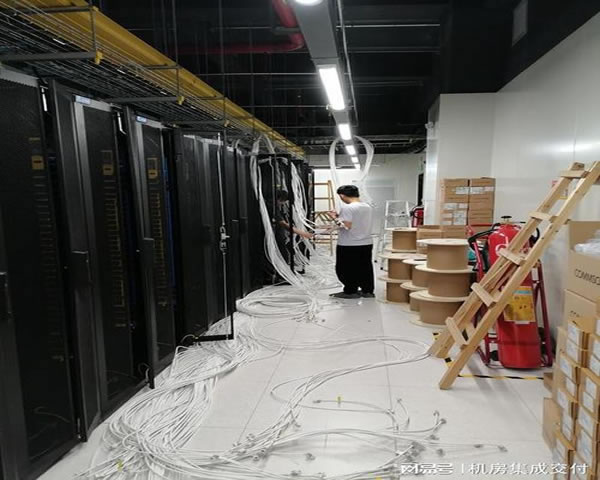
In addition to performance data, consider U.S. data sovereignty, compliance, and regional availability. The node distribution and link paths displayed by the evaluation can help determine whether compliance, data residency and access speed requirements are met, so as to select a suitable computer room or provider area.
After selecting the configuration based on the ceranetworks evaluation, it is recommended to conduct stress testing and real business simulation in your own environment to verify the portability of the evaluation conclusions. At the same time, rollback plans, monitoring and capacity warning strategies are formulated to ensure smooth rollout.
Summary: When using ceranetworks US Server evaluation as a reference for decision-making, you should interpret core indicators such as CPU, memory, storage, network and availability, and make comprehensive trade-offs based on specific business scenarios, compliance and expansion requirements. It is recommended to first use evaluation data to select suitable types, and then verify the final configuration through self-test to ensure that performance and cost match.
- Latest articles
- Popular tags
-
The Necessity And Advantages Of Dual-line Server Hosting Review In The United States
discuss the necessity and advantages of dual-line server hosting in the united states to provide enterprises with a more stable and secure network environment and improve website access speed and user experience. -

-

Selection And Comparison Tips For Us High-defense Server Rental Services
this article explores the selection and comparison skills of high-defense server rental services in the united states to help users find the right service provider.