As an important part of the industrial revolution, the German steam engine room not only promoted Germany's industrialization process, but also had a profound impact on a global scale. With the development of technology, the application of steam engine rooms has shifted from a single energy supply to a more diversified field. This article will explore its historical evolution and modern applications.
The history of the steam engine room can be traced back to the 18th century, and steam power began to be widely used in the industry as James Watt improved the steam engine. Germany rose rapidly in the mid-19th century and became a European industrial power. Germany's steam engine rooms are not only the center of power, but also the cradle of technological innovation. By continuously improving the design of steam engines, German engineers have promoted the process of mechanized production, making large-scale production possible.
During the Industrial Revolution, the German steam engine room played an important role. They provide strong power support for various industries such as textiles, steel, and electricity. The steam engine with coal as fuel has greatly improved the production efficiency of the factory and promoted the urbanization process. The establishment of a steam engine room not only changed the production mode, but also triggered changes in social structure, laying the foundation for the modern economy.
With the continuous advancement of technology, the efficiency of steam engines has been continuously improved. In the early 20th century, German steam engine rooms gradually introduced more advanced technologies, such as high-pressure steam and regenerated steam circulation systems. These technologies not only improve energy conversion efficiency, but also reduce the impact on the environment. In addition, Germany's steam engine rooms have also made a lot of innovations in thermal energy recovery and utilization, making the use of energy more efficient and sustainable.
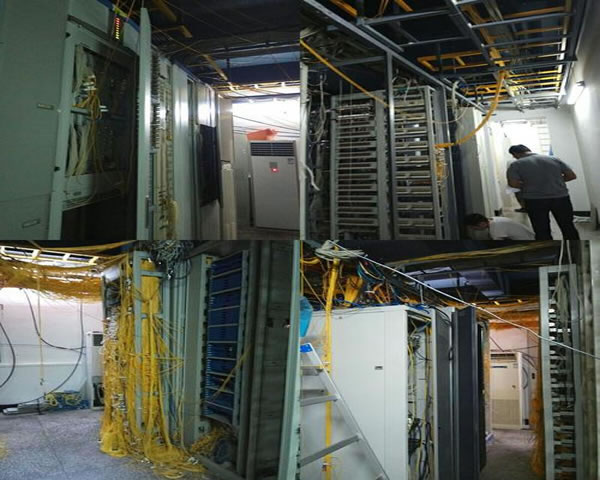
Today, Germany's steam engine rooms are not only limited to traditional industrial fields, but also play an important role in many emerging fields. For example, in energy management systems, steam engine rooms are used as important facilities for centralized heating and power production. In the context of renewable energy, steam engine rooms have achieved more efficient energy use by combining them with solar energy, wind energy and other energy sources. In addition, steam engines are also widely used in the transformation process of biomass energy, promoting the process of sustainable development.
Against the backdrop of global climate change, the environmental value of German steam engine rooms is increasingly valued. Modern steam engine rooms reduce greenhouse gas emissions by optimizing energy structure and improving energy efficiency. At the same time, the heat energy recovery technology in the steam machine room allows waste heat to be reused and reduces waste of resources. Germany is committed to achieving a balance between economic growth and environmental protection in the research and development and application of steam engine rooms, demonstrating good practices for sustainable development.
In the future, Germany's steam engine rooms will usher in more intelligent and digital development. Through the application of Internet of Things (IoT) technology, steam room will be able to monitor and optimize operating status in real time, improving energy efficiency and safety. In addition, the introduction of artificial intelligence (AI) technology will make steam engine rooms more intelligent in energy management, fault prediction, etc., and promote the transformation and upgrading of the entire industry.
The history and modern applications of German steam engine rooms demonstrate the close connection between industrial progress and technological innovation. With the development of the times, the role of steam engine rooms in energy management and environmental protection is becoming increasingly important. When building and operating steam engine rooms, enterprises should pay attention to the combination of technological innovation and sustainable development to meet future challenges. By actively introducing new technologies and promoting the intelligent upgrade of steam engine rooms, it can not only improve production efficiency, but also contribute to the realization of a low-carbon economy.
- Latest articles
- Popular tags
-

Explain why German cloud servers are suitable for critical operations from the perspectives of stability and hardware selection
This article analyzes aspects such as stability, hardware selection, networking, and compliance to explain why German cloud servers are suitable for enterprises' critical operations, providing actionable recommendations for operations management and procurement. -

Advantages and practical skills of playing German servers in Toilet C
This article discusses the advantages and practical skills of playing German servers in toilet C to help users better utilize server resources. -
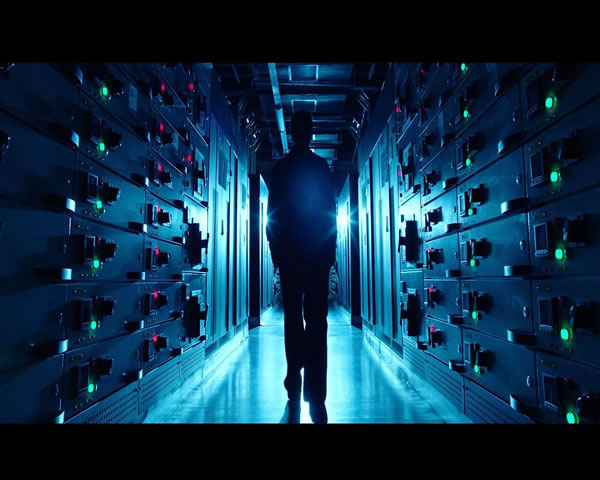
implementation paths and cases of modularity and scalability in german machine room process design
the article discusses the implementation paths and cases of modularity and scalability in german computer room process design, covering design principles, compliance points, implementation processes and two typical modular solutions, suitable for data centers and edge computer rooms.