In recent years, with the rapid development of the Internet, an increasing number of enterprises and individuals have chosen to rent servers in South Korea. However, some users may encounter server stagnation issues during usage, which not only affect the normal operation of the website but may also lead to customer loss. This article will provide an in-depth analysis South Korea server The causes of stagnation and provide corresponding solutions to help users effectively optimize server performance.
First, we need to understand the common causes of the stagnation issue with Korean servers. In general, stagnation may be caused by multiple factors, including but not limited to network latency, hardware failure, improper configuration, and traffic overload. Network latency may be caused by the physical location of the data center, network quality, or connection issues with the ISP. A hardware failure may be caused by the aging or damage of server components, leading to unstable operation. Improper configuration includes unreasonable operating system, software environment, or network settings, while traffic overload is caused by access volume exceeding the server's capacity.
Network latency is one of the main factors affecting the operation of Korean servers. When users visit a website, data needs to be transmitted from the server to the user's device, and any delay will cause a stagnation phenomenon. To solve this problem, it is recommended to choose a high-quality network service provider and regularly perform network speed tests to ensure that bandwidth and latency are within normal levels. In addition, consider using a content delivery network (CDN) to accelerate content transmission by caching data at nodes closer to the user, significantly reducing latency.
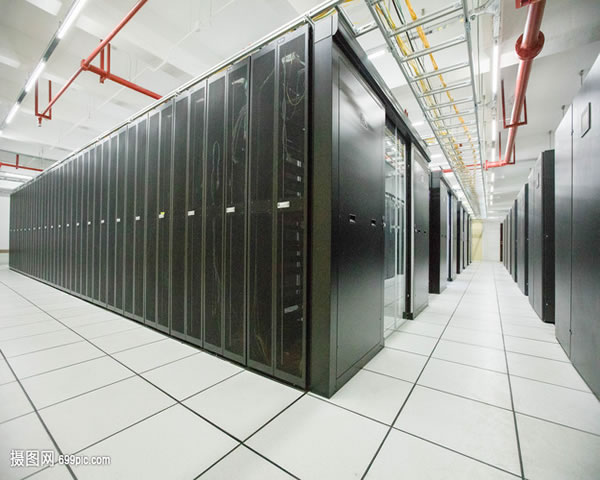
Hardware failure is another important cause of server stagnation. The CPU, memory, hard disk, and other components of the server may experience performance degradation or failures after long-term operation. To avoid this situation, it is recommended that users regularly maintain and inspect the server, and promptly replace aging or damaged hardware. In addition, cloud servers or virtual servers can be considered, as these services are typically maintained by professional technical teams, which can reduce the risk of hardware failures.
The configuration of the server directly affects its performance. Improper configuration may lead to resource waste or insufficiency, thereby causing stagnation. Users should reasonably configure the operating system, database, applications, and other components of the server according to their own needs. For example, the response speed of an application can be improved by adjusting the indexes of database queries and optimizing code logic. In addition, regularly updating software and security patches is also an important measure to ensure server performance.
Traffic overload is another key factor causing stagnation of the Korean servers. When the traffic exceeds the server's capacity, the website may become slow or inaccessible. To effectively manage traffic, it is recommended that users implement load balancing, distributing traffic across multiple servers to reduce the pressure on a single server. In addition, regularly analyzing website traffic data, predicting peak times, and preparing in advance can effectively reduce the risk of traffic overload.
Establishing an effective monitoring and early warning system can promptly detect server stagnation issues. Users can use third-party monitoring tools to monitor server performance metrics in real time, such as CPU usage, memory consumption, and network traffic. When an abnormal situation occurs, the system can promptly issue an alarm to help users take measures quickly and prevent the problem from worsening further. Regularly reviewing monitoring data and analyzing performance trends can help identify potential issues in advance and carry out optimizations.
Finally, choosing a reliable server service provider is crucial. A good service provider not only offers high-quality hardware and network support, but also provides timely technical support and maintenance services. When selecting, users should pay attention to the reputation of the service provider, after-sales service, and the professional level of the technical team. Maintaining good communication with the technical support team can help users quickly obtain solutions when problems arise, thus avoiding stagnation.
In summary, the stagnation of South Korean servers is usually caused by multiple factors such as network latency, hardware failure, improper configuration, and traffic overload. To address these issues, users can effectively improve server performance by selecting high-quality network services, regularly maintaining hardware, optimizing server configurations, implementing traffic management, and establishing monitoring systems. By proper management and optimization, users will be able to achieve more stable and efficient operations on Korean servers.
- Latest articles
- Player Guide: Filling In Server Address And Network Optimization Tips For Honor Vietnam Server
- Usage Experience Sharing How Can Cambodia VPS Save Operation And Maintenance Costs In Actual Projects?
- Case Sharing: The Improvement Of Operation And Maintenance Efficiency Brought By Thailand IDC Computer Room Hosting
- Evaluation Report: Is Vultr A Japanese Native IP? Performance Comparison With Other Providers
- How To Judge Whether Thailand Vps Can Meet The Stability Of High Concurrent Access After Purchase
- Industry Standards Interpretation Of Standards And Compliance Requirements Related To Network Cable Routing In German Computer Rooms
- How To Judge Bandwidth Stability And Delay Through Hong Kong Line Equipment Room Prices
- The Transparent Replacement Process And Cost Suggestions Help You Reasonably Estimate How Much It Will Cost To Replace A Server In Thailand.
- Stability Improvement: Hardware And Network Optimization Methods When Taiwan’s Native IP Is Often Disconnected
- How Small And Medium-sized Enterprises Can Use Vietnam Vps Cn2 To Reduce Overseas Operation And Maintenance Costs
- Popular tags
-

How To Choose A Suitable Korean Website Server In The Gaming Industry
This article discusses how the gaming industry can choose suitable Korean site servers to help companies improve their competitiveness in online business. -

Experience And Performance Evaluation Of KT Native IP In South Korea
This article evaluates the user experience and performance of KT native IP in South Korea and discusses its advantages and disadvantages in depth. -

Tips And Recommendations For Using Korean Native Ip Query Urls
this article introduces the usage tips and recommendations of korean native ip query urls to help users obtain the required information efficiently.