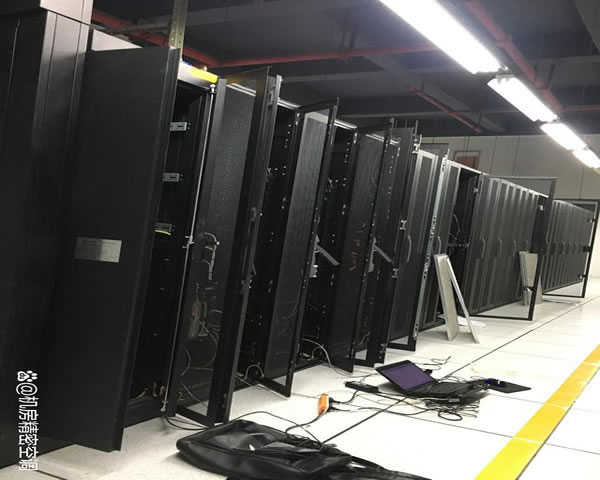
In today's digital age, the performance of cloud servers directly affects the operational efficiency of enterprises. Singapore, as a tech hub in Southeast Asia, has drawn significant attention to its cloud server latency issues. This article will delve into multiple key factors that affect the latency of Singapore cloud servers, helping users better understand and optimize their cloud service experience.
Complexity of network structure
The complexity of the network structure is the influencing factor Singapore Cloud Server One of the important factors of delay. The architecture of the Internet typically involves multiple routers and switches, and the configuration and performance of these devices directly determine the efficiency of data transmission. If the network structure is complex, data packets may experience multiple hops during transmission, thereby increasing latency. Therefore, choosing a cloud service provider with an efficient network architecture can significantly reduce latency.
The location of the data center
The geographical location of a data center has a direct impact on latency. Cloud service providers in Singapore typically have data centers located locally or in nearby regions, offering faster connection speeds. Choosing a data center that is closer to the user can reduce physical transmission time, thereby lowering latency. In addition, the distribution of multiple data centers can also improve redundancy and stability, helping to further optimize latency.
Bandwidth size
Bandwidth refers to the amount of data that a network can transmit within a unit of time. The size of the bandwidth directly affects the response speed of a cloud server. A larger bandwidth can support more concurrent connections, reduce network congestion, and thereby decrease latency. When bandwidth is insufficient, user requests may queue up for processing, leading to increased latency. Therefore, choosing an appropriate cloud service plan with the right bandwidth is crucial to ensure efficient data transmission.
The Impact of Physical Distance
Physical distance is a fundamental factor that affects latency. Data is transmitted from the user's device to the cloud server through a series of physical media, including fiber optics and copper cables. The farther the distance, the longer the time required for signal transmission, and the greater the delay naturally becomes. When selecting a cloud server, try to choose a service node that is closer to the user to reduce latency caused by physical transmission.
Network Congestion and Traffic Management
Network congestion is another important factor affecting the latency of Singapore cloud servers. When the traffic on the network exceeds its capacity, data transmission may experience delays. Traffic management technologies can help cloud service providers optimize resource allocation and ensure low latency even during peak times. Using technologies such as load balancing and traffic priority management can effectively alleviate network congestion issues.
Packet loss and retransmission mechanism
Data packets may be lost during data transmission due to network issues. Packet loss leads to the need for retransmission, thereby increasing latency. Cloud service providers usually implement certain mechanisms to detect and retransmit lost data packets, thereby maintaining data integrity. Choosing cloud services that provide an efficient retransmission mechanism can to some extent reduce the delay caused by packet loss.
Measurement and Monitoring of Delay
To effectively manage and optimize latency, enterprises need to regularly measure and monitor the latency performance of cloud servers. Using network monitoring tools can help enterprises understand the delay situation of servers in real time and promptly identify and resolve issues. In addition, regularly evaluating server performance and making necessary adjustments can ensure continuous low latency, thereby enhancing the user experience.
Quality of Service and Customer Support
The quality of service and customer support provided by cloud service providers can also affect users' perception of latency. High-quality service ensures a more stable connection and faster response time, while timely customer support can help users resolve latency issues encountered during usage. Therefore, choosing a reputable cloud service provider can significantly reduce the negative impact of latency.
Summary and Recommendations
Factors affecting the latency of Singapore cloud servers include network structure, data center location, bandwidth, physical distance, network congestion, and packet loss. To optimize the latency performance of cloud servers, enterprises should choose appropriate data centers, reasonable bandwidth, and regularly monitor and evaluate server performance. In addition, choosing a high-quality cloud service provider can effectively improve service quality, thereby enhancing the user experience. By taking into account these factors comprehensively, enterprises can achieve a better service experience in Singapore's cloud market.
- Latest articles
- Popular tags
-

How To Use Singapore Vps Bitcoin Payment To Achieve Cross-border Procurement And Tax Optimization
introduce how to combine bitcoin payment through singapore vps to optimize cross-border procurement processes and tax compliance arrangements. including technology deployment, compliance risk control and practical suggestions, focusing on legal compliance and efficiency improvement. -

Discuss The Advantages And Features Of Singapore’s Top Ten Cloud Server Brands
this article explores the advantages and characteristics of the top ten cloud server brands in singapore, and provides a reference for enterprises to choose appropriate cloud services. -

Cheap Unlimited Vps In Singapore Recommended As A Cost-effective And Practical Option
this article recommends some cheap and practical unlimited vps in singapore, suitable for users who need to save costs.