in modern society, motor rooms are an important part of power and communication systems and are widely used in various buildings and infrastructures. with the increasing demand for electricity, the number and scale of motor rooms are also expanding. however, potential radiation problems in the motor room have attracted public attention. this article will conduct a detailed analysis of the radiation conditions and safety of the motor room in germany, aiming to provide readers with scientific and professional insights.
source of radiation in the motor room
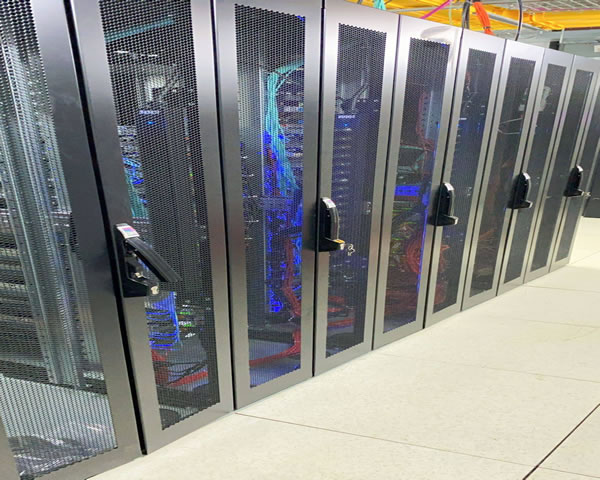
the radiation in the motor room mainly comes from the operation of electrical equipment, especially transformers, generators and distribution equipment. equipment creates an electromagnetic field when operating, and although the radiation level is within a safe range in most cases, long-term contact may have an impact on human health. in addition, the design and layout of the motor room will also affect the distribution and intensity of radiation. therefore, during the construction and operation and maintenance of the motor room, radiation control and monitoring should be fully considered.
german motor room radiation standard
germany has set strict standards and guidelines on radiation safety in motor rooms to ensure the safety of the public and employees. under the german electromagnetic field protection act, the radiation level of the motor room must comply with international standards, such as the recommendations of the international committee on non-ionizing radiation protection (icnirp). these standards are designed to limit the risk of long-term exposure to high-frequency electromagnetic fields, and also provide a scientific basis for the design and operation of motor rooms.
safety assessment of motor room
in germany, the safety assessment of motor rooms usually includes multiple aspects such as radiation monitoring, equipment maintenance and environmental control. regular radiation detection can promptly detect potential problems and ensure the safe operation of the motor room. at the same time, staff members need to receive professional training when operating the motor room equipment to master safety operating procedures. in addition, a reasonable motor room layout and an effective ventilation system can also reduce the impact of radiation on staff.
protective measures and suggestions
in order to effectively reduce the impact of motor room radiation on the human body, germany has adopted a series of protective measures. for example, shielding materials are used to reduce the propagation of electromagnetic radiation, and the workflow in the motor room is reasonably arranged to ensure that staff members can stay in high-radiation areas minimize. in addition, regular inspection and maintenance of the motor room is also an important part of ensuring safety. it is recommended that the public and relevant companies pay attention to the radiation situation in the motor room regularly, and seek testing and evaluation from professional institutions if necessary.
public cognition and popular science education
although scientific research shows that the radiation levels of the motor room that have been reasonably designed and managed are safe, there are still misunderstandings in the public's perception of radiation. therefore, it is crucial to strengthen popular science education and improve the public's awareness of motor room radiation and its safety. by holding lectures and publishing promotional materials, we can effectively disseminate motor room safety knowledge, eliminate public concerns, and promote social understanding and support for power facilities.
summary and prospect
to sum up, german motor rooms have adopted scientific standards and effective protective measures in radiation control and safety assessment. through regular monitoring and public education, the safe operation of the motor room can be ensured and the health of staff and surrounding residents can be protected. in the future, with the advancement of technology, the design and operation management of motor rooms will be more intelligent and humanized, providing the public with safer power and communication services.

- Latest articles
- Free Server Korea Security Protection Policy And Backup Implementation Guide
- Cost And Operation Management Recommendations For Enterprises Deploying Korean CN2 Site Cluster Cloud Servers
- Basic Information On Taiwan Proxy Servers, Common Terminology Explanations, And Purchase Precautions
- How To Choose A Cloud Server In Thailand: From Network Latency To After-sales Service, Comprehensive Aspects
- Recommended Recommendations For Operators To Improve Thailand's High-Defense VPS Protection And Bandwidth Stability By Comparison
- Optimized Storage Costs For Hong Kong Hosted Servers, Hard Disk Servers, Layered Storage, And Cold Archiving Solutions
- Are Tencent Cloud Korean Servers Native? Recommendations For Local Service Provider Integration And Latency Optimization
- The Enterprise Migration Guide Teaches You How To Apply For US Dual-line Server Hosting To Ensure Compliance
- How Does AWS Cloud Server In Japan Charge? Bill Analysis And Fee Alert Settings
- Beginner's Guide: Which Hong Kong Site Cluster Servers Are Best To Use? Choose Based On Your Business Scale
- Popular tags
-

Best Practices And Case Sharing Of German Server Hosting
explore the best practices and case sharing of server hosting in germany, improve website performance and security, and learn how to choose the right hosting service. -
German Cloud Server Hosting Image Selection And Rapid Deployment Tips For Developers
german cloud server hosting image selection and rapid deployment tips for developers. the article covers image types, network and security considerations, automated deployment processes and operation and maintenance suggestions to help efficiently launch applications on german nodes. -

How Small And Medium-sized Enterprises Can Use Germany’s Ultra-high-end Server Rankings To Make Informed Choices
Targeted at small and medium-sized enterprises, this article explains how to use Germany’s ultra-high-end server rankings to make informed selection decisions. It covers practical advice on needs assessment, interpretation of metrics, compliance, and operation and maintenance, to help achieve a balance between performance and cost.