in a globalized internet environment, network security and privacy protection are particularly important. especially for some users, blocking japanese server addresses may be an important means to protect personal information and avoid unnecessary interference. this article will introduce in detail several effective methods and techniques for blocking japanese server addresses to help users improve network security.
before discussing how to block japanese server addresses, you first need to understand how japanese servers work. servers in japan usually provide services through dynamic or static ip addresses, and users access these servers to obtain various information or services. however, these servers can also be the target of cyberattacks and may even leak users' personal information. therefore, understanding how these servers work can help users take effective protective measures.
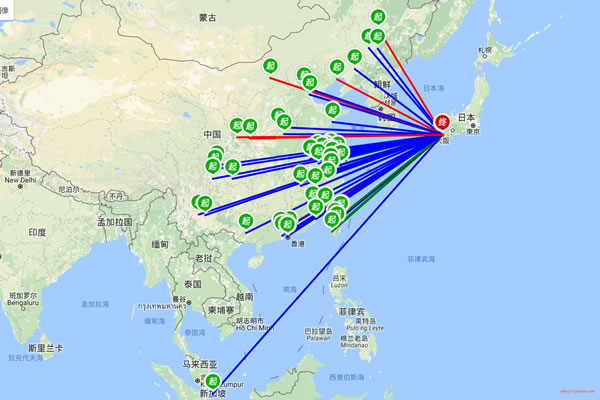
firewall is an important part of network security and can effectively prevent unnecessary access. users can configure firewall rules to specify that connections to japanese servers are prohibited. specific steps include logging into the firewall management interface, entering rule settings, and adding blocking rules for japanese ip segments. in this way, any requests from japanese servers will be automatically blocked, improving network security.
modifying the computer's hosts file is also an effective method. by adding the ip addresses of japanese servers in the hosts file and pointing them to a local address (such as 127.0.0.1), users can effectively block access to these servers. the operation steps are relatively simple. the user only needs to find the hosts file, add the corresponding mapping relationship between the ip address and the local address, and it will take effect after saving. this method is suitable for users with a higher technical level.
a virtual private network (vpn) not only provides network encryption services, but also helps users block specific server addresses. by choosing a vpn service that does not include japanese servers, users can automatically circumvent connections to these servers. at the same time, vpn can also hide the user’s real ip address, further improving network privacy protection. however, when choosing a suitable vpn service, users need to pay attention to its security and stability.
proxy servers are also an effective tool for blocking japanese server addresses. by setting up a proxy server, users can filter out requests from japanese servers through the proxy when accessing the internet. in the settings of the proxy server, you can configure rules to restrict access to specific ips to achieve the blocking function. this method is suitable for users who need flexible access to network resources.
blocking japanese server addresses is not a one-time task. over time, server ip addresses may change and new japanese servers may appear. therefore, users need to monitor network traffic regularly and update blocking rules in a timely manner. this can be achieved through the use of traffic monitoring tools, ensuring that any potential security breaches are dealt with promptly.
in addition to technical means, users’ own awareness of network security is also crucial. understanding common cyber attack methods, regularly updating passwords, using complex password combinations, and avoiding visiting unsafe websites can effectively reduce the risk of personal information leakage. only by improving network security awareness and combining technical means can personal privacy be more comprehensively protected.
there are many methods and techniques for blocking japanese server addresses. users can choose the appropriate method according to their needs and technical level. whether through a firewall, modifying the hosts file, using a vpn or a proxy server, these methods can effectively improve network security. on this basis, it is equally important to improve one's own network security awareness. users are advised to check network settings regularly and remain vigilant to ensure the security of personal information.
- Latest articles
- Risk Identification Before Purchasing Tells You How Easy It Is To Get Scammed By A Singapore Vps
- Promotion Period Guide: How To Buy Cambodian Servers Cheaply? Interpretation Of Preferential Activities And Bundling Plans
- Cn2 Line Japan’s Role In Multi-cloud Hybrid Deployment And Connectivity Optimization
- Comprehensive Evaluation Of Bandwidth, Latency And Price Helps Complete Thailand Vps Purchase Selection
- How To Use Hong Kong Dial-up Vps Dynamic Adsl To Achieve Home Network Access And Port Mapping
- How To Optimize The System To Improve Bandwidth Utilization And Speed After Purchasing A Vps In Thailand
- Common Misunderstandings About How To Connect To Vietnam Servers To Avoid Triggering Regional Bans
- GP Singapore Server Stability In-depth Evaluation And Deployment Best Practice Guide
- Website Migration Case Sharing SEO And Speed Changes After Switching Between Hong Kong Vps And Japanese Vps
- The Technical Team’s Experience Discusses The Three Core Indicators For Choosing The Best Vps In Korea
- Popular tags
-

Explore The Types And Characteristics Of Japanese External Network Servers
In-depth discussion of the types and characteristics of Japanese external network servers, including the advantages and application scenarios of VPS, cloud servers and independent servers. -

Best Practices For Management And Renewal Of Japanese Native Ip After Registration
for companies and individuals who register native ip in japan, it introduces the post-registration management process, renewal planning, monitoring and compliance points, and provides actionable best practices to reduce risks and improve the efficiency of rights utilization. -
How To Evaluate Service Providers To Determine The Most Suitable Japanese Native Ip Solution
for technical and operational teams, it introduces how to evaluate service providers to determine the most suitable japanese native ip solution, covering key dimensions such as performance, compliance, deployment, monitoring and testing, to facilitate making data-driven choices.