
With the rapid development of information technology, virtual private servers (VPS) play an increasingly important role in various industries. In the Singapore market, dial-up VPS is highly favored for its flexibility and efficiency. This article will explore the application of dial-up VPS in the Singapore market and its advantages, helping businesses and individuals better understand this technology.
The basic concept of dialing VPS
Dial-up VPS is a server solution based on virtualization technology that allows users to create multiple virtual servers on a single physical server. This method not only improves resource utilization, but also allows users to freely configure the server environment as needed. Dial-up VPS provides a convenient option for the Singapore market, allowing enterprises to obtain high-performance computing resources at a lower cost.
Analysis of the demand for dial-up VPS in Singapore market
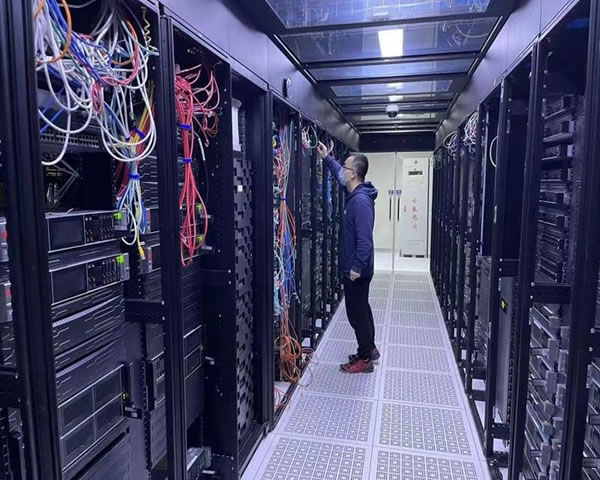
As a technology center in Southeast Asia, Singapore has a good network infrastructure and a mature data center environment. With the rapid development of cloud computing and big data, enterprises have increasingly demanded for efficient and flexible IT solutions. Dial-up VPS just meets this demand, helping companies quickly adapt to market changes without increasing hardware costs.
Key Benefits of Dial-up VPS
The advantages of dial-up VPS are mainly reflected in the following aspects: First of all, flexibility, users can adjust resource configuration at any time according to actual needs. ; Next is cost-effective, dial-up VPS is usually more economical than traditional physical servers ; Finally, dial-up VPS provides good security, ensuring data security for different users through isolation technology. In addition, many service providers also provide 24-hour technical support to ensure that users can get timely help when encountering problems.
Application cases of dial-up VPS in enterprises
In Singapore, many businesses have begun to use dial-up VPS as part of their IT infrastructure. For example, some startups use dial-up VPS for website hosting and application development, and quickly respond to business needs with their high scalability. At the same time, companies in traditional industries also use dial-up VPS to improve the performance and security of internal systems and achieve digital transformation.
The value of dial-up VPS to individual users
In addition to enterprises, individual users can also benefit from dialing VPS. Many gamers and program developers use dial-up VPS for game hosting or application testing, enjoying higher stability and speed. At the same time, dial-up VPS also provides individual users with a secure environment for network research and data analysis, reducing the burden on local devices.
Things to note when choosing a dial-up VPS service provider
When choosing a dial-up VPS service provider, users should consider multiple factors, including the reputation of the service provider, the quality of technical support, the stability and security of the server, etc. In addition, attention is required to ensure the security of personal and corporate data. Choosing a suitable dial-up VPS service provider will directly affect the user experience and data security.
Future development trends of dial-up VPS
With the continuous advancement of network technology, the future development prospects of dial-up VPS are broad. The introduction of new technologies such as artificial intelligence and edge computing will further improve the performance and functionality of dial-up VPS. In addition, with the popularity of 5G networks, the application scenarios of dial-up VPS will be more abundant, and users will be able to enjoy faster speeds and lower latency.
Summary and suggestions
The application and advantages of dial-up VPS in the Singapore market are obvious. It not only provides enterprises with flexible and efficient IT solutions, but also brings a safe and stable user experience to individual users. When choosing a dial-up VPS service provider, users should consider all factors in a comprehensive way to ensure the best service experience. At the same time, with the development of technology, users should also pay attention to the future trends of dial-up VPS and adjust their IT strategies in a timely manner to maintain their competitive advantage.
- Latest articles
- Popular tags
-
Instructions On Identifying Common Scams And Rights Protection Steps For Vps Purchasing In Singapore
this article systematically explains the common scam identification methods for vps purchasing in singapore and the rights protection steps after being defrauded, including pre-transaction risk investigation, evidence preservation, reporting and complaint channels, and prevention suggestions to help users safely purchase vps services in singapore. -
Competitive Landscape Of Singapore’s Cloud Server Market After Comparing Major Vendors
After comparing major vendors, this article analyzes the competitive landscape of Singapore’s cloud server market, covering market overview, service differences, network connectivity, compliance considerations, and ecosystem development, to provide practical advice for companies making selection decisions. -

Is It Useful To Use Singapore-based Cloud Servers For Acceleration, Compliance, And Cost Analysis? What Is The Practical Significance Of This For Small And Medium-sized Enterprises?
This article analyzes the practical significance of Singapore-based cloud servers for small and medium-sized enterprises from three aspects: acceleration, compliance, and cost. It provides actionable evaluation criteria and implementation recommendations to facilitate decision-making and execution.