
speed is a crucial factor when choosing a web server. perfect international's taiwanese servers and american servers each have different advantages and applicable scenarios. this article will conduct a detailed comparison of the speeds of the two to help users make a more informed choice.
geographical advantages of taiwan servers
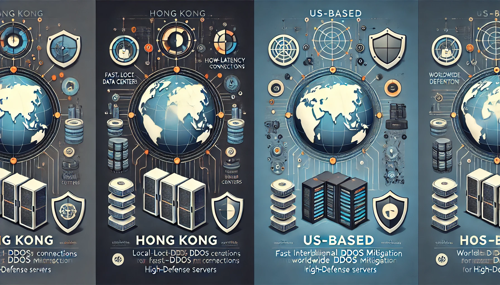
perfect international's taiwan server has unique advantages in geographical location. due to its central location in asia, taiwanese servers are able to provide lower latency and faster access speeds to users in east and southeast asia. especially for companies or individuals that need to interact frequently with users in taiwan, choosing a taiwan server is undoubtedly a wise choice. in addition, the network infrastructure of taiwanese servers is relatively mature and can effectively support high-traffic access and ensure the stability and response speed of the website.
global coverage of us servers
in contrast, the advantage of us servers is their global coverage capabilities. since there are a large number of data centers in the united states, users can choose the server closest to the target market according to their own needs, thereby obtaining a better speed experience. for companies targeting the north american or european markets, choosing a us server will effectively reduce access delays and improve user experience. in addition, the network bandwidth in the united states is relatively large, suitable for handling high concurrent requests, and suitable for the needs of large websites and applications.
speed test: taiwan vs. us servers comparison
according to the test results of multiple speed testing tools, taiwanese servers generally show lower latency when connecting users in east asia. for example, when a user accesses a server in taiwan from mainland china, the delay is only 20-30 milliseconds, while when accessing a server in the united states, the delay may be as high as more than 100 milliseconds. this means that in the east asian market, perfect international's taiwan servers have a clear advantage in speed. however, for users located in north america, us servers can provide faster access speeds, with latency typically between 20-40 milliseconds.
impact of bandwidth and load capacity
in addition to geographical location, bandwidth and load capacity are also important factors that affect server speed. perfect international's taiwan servers can provide stable bandwidth support when handling high-traffic access, ensuring that users can get a good access experience even during peak hours. because of its huge network infrastructure, american servers can easily handle simultaneous access by a large number of users and are suitable for large enterprises and websites with large traffic. in addition, choosing the appropriate server configuration and optimizing network settings can further improve access speed.
choosing the right server: taiwan or the united states?
when choosing a server, users need to consider their target market and user groups. if your main users are concentrated in east asia or southeast asia, perfect international's taiwan server is obviously a better choice. and if your target users are located in north america or europe, then a us server will be better suited to meet their needs. at the same time, enterprises can also flexibly choose servers in different regions according to business development to achieve the best network performance.
summary and suggestions
to sum up, perfect international’s taiwanese servers and american servers each have their own advantages and disadvantages, and the specific choice should be based on actual needs. for east asian users, taiwanese servers have a clear advantage in speed; while for north american users, american servers have an advantage. when making a choice, it is recommended that users comprehensively consider factors such as access speed, website target market and user groups to ensure that the selected server can meet the needs of business development.
- Latest articles
- Popular tags
-
Advantages And Disadvantages Of Renting A US Server Site Group
This article will explore the advantages and disadvantages of renting a U.S. server site group to help website administrators make informed decisions. -

Analyze The Advantages And Disadvantages Of Multiple Ip Servers And Site Groups In The United States
this article analyzes the advantages and disadvantages of multiple ip servers and site groups in the united states to help website administrators choose appropriate strategies to optimize search engine rankings. -

How To Choose The Right US High-defense Server Node To Improve Security
Learn how to choose the right U.S. high defense server node to improve your network security and prevent DDoS attacks and other cyber threats.