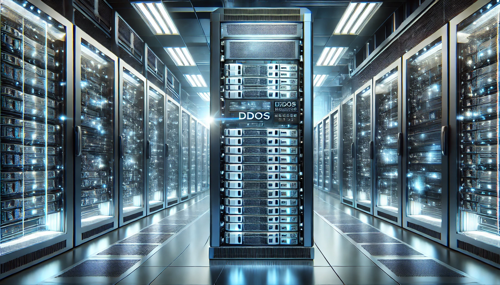
with the increasing number of network attacks, more and more companies are beginning to pay attention to server security. american high-defense servers have become the first choice of many enterprises because of their superior protection capabilities and stability. when purchasing a us high-defense server, there are several key factors that need special consideration to ensure that you choose the server that best suits your needs.
1. protective ability
when purchasing high-defense servers in the united states, protection capabilities are one of the most critical factors. the main function of a high-defense server is to resist various network attacks, including ddos attacks, traffic attacks, etc. when choosing, enterprises should understand the server provider's protection capabilities, including its protected traffic thresholds, attack types, and emergency response mechanisms. in addition, it is recommended to choose a server with multiple layers of protection mechanisms to improve overall security.
2. network bandwidth
network bandwidth directly affects the access speed and stability of the server. for high-defense servers, sufficient bandwidth can not only ensure normal business operations, but also effectively absorb and resist sudden traffic attacks. when purchasing, enterprises should choose the appropriate bandwidth configuration based on their business scale and traffic needs. at the same time, it is also very important to understand the provider's bandwidth guarantee measures to ensure that service stability can be maintained during peak periods.
3. server location
the physical location of the server affects access speed and data security to a certain extent. high-defense servers in the united states are usually located in areas with concentrated data centers, such as california and texas. these areas not only have complete network infrastructure, but also have advantages in fighting cyber attacks. when selecting servers, enterprises should consider data center location to reduce latency and improve access efficiency.
4. technical support and services
good technical support and services are important guarantees to ensure the normal operation of high-defense servers. when purchasing, enterprises should pay attention to the server provider's customer service response time, professionalism of technical support, and service availability. especially when encountering network attacks or failures, fast and effective technical support can minimize losses. therefore, it is particularly important to choose a provider with high service quality.
5. reliability and stability
server reliability and stability are directly related to business continuity and user experience. when purchasing a high-defense server in the united states, it is recommended to check the provider's historical operating records, failure rates, and backup measures. high-defense servers should have multiple backup mechanisms and redundant designs to ensure service stability under any circumstances. in addition, the provider's service level agreement (sla) should be carefully evaluated to ensure that the reliability promised is delivered.
6. costs and budgets
although the security and performance of high-defense servers are very important, enterprises should also consider cost and budget when purchasing. with limited budgets, enterprises can choose cost-effective high-defense server solutions based on their own needs. it is recommended to compare the service content and prices of different providers, and do not ignore additional fees, such as traffic exceeding the standard fee or technical support fee, to ensure that the final selected solution is within the budget.
7. user evaluation and word-of-mouth
when choosing a us high-defense server, user evaluation and reputation are also factors that cannot be ignored. by reviewing reviews and feedback from other users, companies can gain a more comprehensive understanding of a provider's service quality and protection capabilities. it is recommended to visit relevant technical forums, social media and review websites to obtain real user experiences and make more informed choices.
summary and suggestions
when purchasing high-defense servers in the united states, companies should comprehensively consider multiple factors such as protection capabilities, network bandwidth, server location, technical support, reliability, cost, and user evaluation. the needs of each enterprise are different, and the selection should be reasonably evaluated based on its own business characteristics and development goals. on this basis, choosing a reputable service provider will help improve the security and stability of the enterprise network and ensure the smooth development of business.
- Latest articles
- Popular tags
-

Backup And Recovery Of US Pet Server Data Disaster Recovery Strategies To Prevent The Risk Of User Content Loss
Data disaster recovery policy guidelines for U.S. pet servers cover risk assessment, backup design, recovery drills, storage and networking, encryption and access control, and monitoring automation to help prevent the risk of user content loss. -
Are US High-defense Servers Resistant To Complaints? Explanation Of Customer Rights Protection Paths And Cross-border Jurisdictional Risks
Analyze whether U.S. high-defense servers are resistant to complaints, specify customer rights protection paths (complaint against service providers, regulatory complaints, civil litigation, etc.), and explain cross-border jurisdiction, evidence collection risks, and preventive measures. -
Analysis Of Why Server Hosting In U.S. Cera Data Centers Has Become A Preferred Node For Content Distribution
Analyze the advantages of hosting servers in U.S.-based CERA data centers for content distribution, covering key factors such as network connectivity, latency, bandwidth, security compliance, scalability, and operations maintenance, while providing recommendations for node selection optimized for SEO and GEO considerations.