In the era of globalized Internet, more and more people want to access content from specific countries or regions. For those who want to obtain a native Korean IP, it is crucial to understand effective ways and methods. This article will introduce in detail several effective methods to obtain native Korean IP, helping users to successfully access network resources in South Korea.
Virtual Private Network (VPN) is a common and effective way to obtain native Korean IP. Through a VPN, users can route their network connection to a South Korean server, thereby obtaining a South Korean IP address. When choosing a VPN service, users should pay attention to the number, speed and security of their servers. Many VPN service providers offer a variety of server options to ensure users can access various websites and services in South Korea smoothly. In addition, high-quality VPNs should also have strict no-logs policy to ensure users' privacy and security.
A proxy server is another effective way to obtain native Korean IP. By setting up a proxy, the user's network request will be transmitted to the proxy server first and then forwarded to the target website. In this way, the target website will see the proxy server's IP address, not the user's real IP. Users can choose from HTTP proxy, SOCKS proxy and other types, but it should be noted that the stability and speed of the proxy may vary. Choosing a reputable proxy service provider can improve access speed and security.
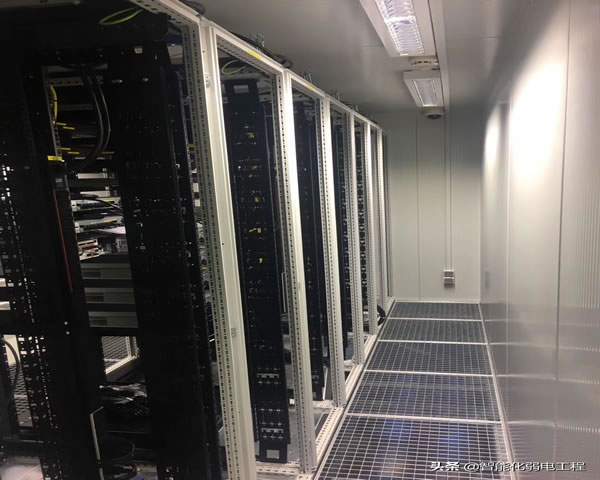
A dedicated IP service means that a user can obtain an independent IP address, which is specifically used for network needs of individuals or enterprises. Dedicated IPs tend to perform better in speed and stability than shared IPs. Dedicated IP services are a good choice for users who want to do online business in Korea or need to access specific websites at high frequency. When choosing a dedicated IP service, the user should confirm whether the IP address provided by the service provider is in South Korea and understand its terms of use.
Cloud service providers such as AWS, Google Cloud, etc. allow users to create virtual machines on their platforms and choose data centers located in South Korea. In this way, the user can obtain a Korean IP address. Although this approach is relatively complex, it provides users with flexibility and is particularly suitable for developers and technicians. Users can easily obtain and use Korean IP by simply making simple settings on the cloud platform.
The application scenarios for obtaining native Korean IP are very wide, including visiting Korean streaming websites, participating in online games, conducting market research, etc. However, when using these methods, users should pay attention to following relevant laws and regulations to avoid account blocking or legal liability caused by violations. In addition, users should check regularly whether the IP address they are using is still valid to ensure smooth access.
There are many effective ways to obtain Korean native IP, and users can choose the appropriate method according to their own needs. Whether using a VPN, proxy server, or dedicated IP services and cloud services, it is crucial to choose a reputable service provider. At the same time, users should remain vigilant when using these services to ensure the security of their personal information. I hope this article can provide you with valuable information to help you successfully obtain Korean native IP and travel around the Internet world.
- Latest articles
- How To Enhance Data Recovery Capabilities Under German VPS Hosting Through Snapshots And Automatic Backups
- How To Choose An Alibaba Cloud Hong Kong Server VPS To Meet Multi-site Concurrent Access Needs
- Performance Testing Methods For South Korean CN2 Station Clusters: Key Points For Packet Loss Delay And Throughput Evaluation
- Performance Comparison Of The Hong Kong Sha Tin CN2 Host With Other CN2 Nodes On The Market
- Assessing The Speed Of VPS In Vietnam From A Business Perspective And Its Impact On E-commerce And Content Distribution
- In-depth Analysis Of Key Points For Selecting Taiwan CN2 Routes To Help Enterprises Select The Right Connection Channels
- Detailed Guide And Deployment Recommendations On How Corporate Websites And E-commerce Platforms Can Adapt To Hong Kong Server Hosting
- Developer's Guide: What Does Korean VPS Mean? Environment Configuration And Common Compatibility Issues
- Behind-the-scenes Interviews Curated The Charm Secrets Of Thai Variety Show Data Centers
- Key Points Reminder For Enterprise-Level Projects Choosing Singapore Cloud Server CN2 Service Providers
- Popular tags
-

Basic Knowledge You Need To Know To Build A Native Korean IP
This article introduces the basic knowledge you need to know to build a native Korean IP to help you effectively carry out related projects. -

Market Status And Prospects Of Korean Native Family Ip Agents
in-depth analysis of the market status and prospects of korean native family ip agents, and discussion of its development trends and future opportunities. -

How To Detect Whether Port 81 Of The Korean Server Is Maliciously Accessed And The Steps To Obtain Evidence
this article introduces how to detect whether port 81 of a korean server has been maliciously accessed, including log and traffic detection, malicious feature identification, evidence preservation and evidence collection process recommendations, which is suitable for emergency response and compliance reporting.