In today's digital age, more and more users hope to increase network access speed by setting up Singapore servers, especially to access some overseas websites and applications. This article will provide you with detailed steps to set up a Singapore server on your phone to help you achieve this easily.
A Singapore server refers to a server provided by a data center located in Singapore. Because Singapore's network infrastructure is relatively developed, using Singapore servers can effectively reduce latency and improve access speed, especially for users in other parts of Asia. Many businesses and individuals choose Singapore servers for website hosting, data storage or VPN connections for better performance and security.
There are several advantages to choosing a Singapore server. First of all, Singapore has a superior geographical location and is a network hub in Southeast Asia, which can provide fast network connections to neighboring countries. Secondly, Singapore has high cybersecurity standards and can provide better data protection. In addition, many international content providers have nodes in Singapore, and using Singapore servers allows for smoother access to these services.
Before you start setting up a Singapore server, you need to do some preparation. First, make sure your phone is able to connect to the internet, whether it is via Wi-Fi or mobile data. Secondly, choose the right VPN service provider to ensure that it has server nodes in Singapore. This is because your network traffic can be easily routed to Singapore servers via VPN, enabling network acceleration and data protection.
Before setting up a Singapore server, you need to download and install a VPN app that supports Singapore nodes. Common VPN applications include ExpressVPN, NordVPN, Surfshark, etc. You can find these apps in the App Store or in the Google Play Store. After the download is completed, follow the prompts to install and register an account.
After the installation is complete, open the VPN app and log in to your account. Typically, a list of available servers is displayed on the main interface of the application. Select the server node located in Singapore and click the Connect button. At this point, the application will try to establish a connection with the Singapore server, and upon success you will see a confirmation message for the connection status.
After connecting to the Singapore server, you need to verify that the VPN connection is successful. You can confirm whether your IP address has been changed to the IP address in Singapore by visiting some websites such as WhatIsMyIP.com. If so, then your phone successfully connects to the Singapore server and you can start to enjoy a faster web experience.
There are several things to keep in mind when using a Singapore server. First, make sure your VPN app is always updated for the latest security patches and features. Secondly, pay attention to the stability of VPN connections, which may sometimes cause connection interruption due to network fluctuations. Additionally, some apps or websites may restrict the use of VPNs, when you can try changing the server node.
Users may encounter some common problems when setting up a Singapore server. For example, if you cannot connect to a VPN, you can check your network settings or try to restart the app. Also, if you are slow during use, you can try switching to another Singapore server node. For questions that you cannot access a specific website, you can contact VPN customer service for help.

With the above steps, you should be able to easily set up a Singapore server on your phone. Whether it’s for speeding up access or to protect your network security, using a Singapore server is a great option. Regularly check your VPN connection status and settings to ensure the best network experience. At the same time, choosing a reputable VPN service provider will provide you with higher security and stability. I hope this tutorial will be helpful to you and take your online experience to the next level!
- Latest articles
- Huawei Cloud Singapore Server Instance Selection Suggested Specification Comparison Table For Different Business Scenarios
- Comparative Study Of Differences In Construction Standards And Operation Models Between Indian And German Computer Rooms
- Practical Advice For Startups Facing The Decision Of Renting Or Hosting Servers In Hong Kong
- Enterprise Deployment Manual Korean Native IP Computer Room Location And Compliance Guide
- Vps Cambodia Buying Guide And Detailed Explanation Of Frequently Asked Questions Suitable For Novices Configuration Price Comparison Recommendation
- Cost And Benefit Assessment Of Cambodian Video Cloud Server Deployment For Media Companies
- Webmasters Must-see Malaysia Vps Cn2 Gia To Quickly Build A Website And Node Monitoring Solution
- Which Industries Are Vietnam Vps Independent Servers Suitable For And A Summary Of Selection Considerations?
- Technical White Paper: Cambodia Cn2 Network Architecture And Future Upgrade Direction Discussion
- Home Network Optimization Guide Routing Settings Suggestions For Which Server Ps5 Malaysia Belongs To
- Popular tags
-
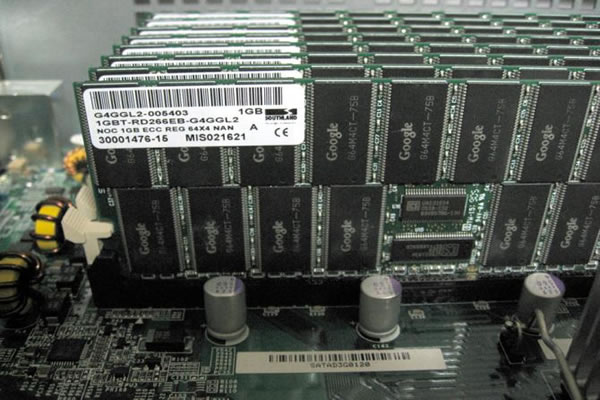
The Impact Of Singapore Server Stability And Speed On The Game
Explore the impact of the stability and speed of Singapore servers on the game, and analyze its role in network latency, game fluency and user experience. -
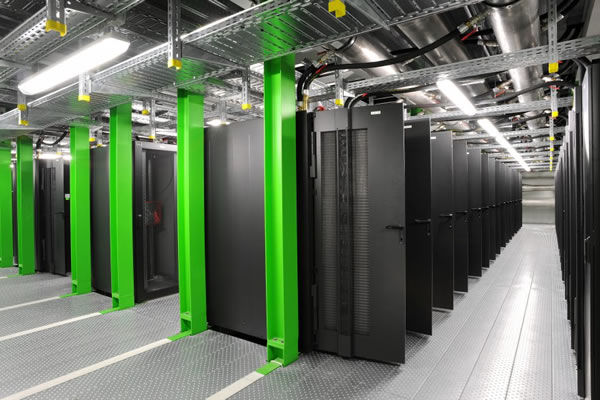
How Long Does It Take To Maintain A Singapore Server To Ensure Service Stability
understand the maintenance cycle of singapore servers and best practices to ensure service stability, helping businesses improve network performance and user experience. -

Conoha Singapore Cn2 Deployment Suggestions And Cases For Individual Webmasters And Small And Medium-sized Enterprises
for individual webmasters and small and medium-sized enterprises, this article introduces the deployment suggestions, network assessment, optimization strategies and security compliance points of conoha singapore cn2, and gives two practical application cases to help improve the access experience for users in mainland china.