introduction: this article is a tutorial for building a picture bed, focusing on the distributed storage and cache configuration based on singapore picture vps. the goal is to provide reusable architectural ideas and implementation points, take into account performance and usability, and facilitate search engine retrieval and project implementation.
preparation work includes: one or more singapore image vps, operating system (linux is recommended), docker or container orchestration tool, domain name resolution, tls certificate and basic firewall rules. ensure that the public network bandwidth and io attributes meet image access requirements.
for the graph bed, it is recommended to use an independent data disk or block storage and mount it in the container directory, close unnecessary services, adjust kernel network parameters and file descriptors, and optimize the disk scheduler and cache write strategy to improve concurrency performance.
common solutions include object storage-compatible services (such as minio), lightweight distributed file systems (such as seaweedfs), or block-based clusters. scalability, failure recovery, data redundancy, and s3-compatible apis are priority considerations when selecting models.
build an s3-compatible object gateway, unify bucket and path naming rules, and enable multipart upload and resumable upload to support large files. permissions are controlled with keys and policies, and access logs and audits facilitate subsequent analysis and seo statistics.
use cdn front-end distribution combined with local reverse proxy cache, configure reasonable cache-control and expires headers, and use redis to cache metadata and short-term urls to improve first byte time and cache hit rate.
use nginx or equivalent reverse proxy for tls termination, path routing and cache control. the backend can be configured with polling or health check-based load balancing, and request current limiting and connection reuse strategies can be enabled when necessary.
security measures include https, least privilege access, ddos protection and ip whitelisting. regular snapshots and cross-machine room replication can reduce the risk of data loss, while formulating backup recovery drills and retention strategies.
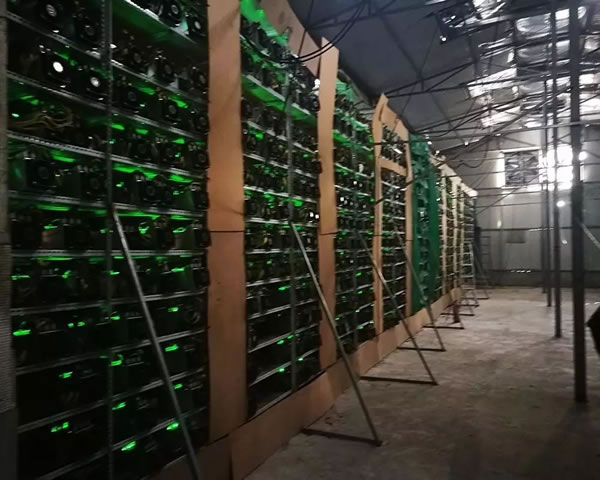
deploy indicator collection (cpu, bandwidth, iops, cache hit rate) and centralized logs. pay attention to the distribution of hot images, optimize the hot backup strategy and thumbnail generation, and regularly evaluate the caching strategy to improve resource utilization.
to sum up, the image bed building tutorial is based on the singapore image vps, which should be considered from storage selection, cache layer design to secure backup of the full link. it is recommended to verify the architecture on a small scale first, then gradually expand the nodes and continue to monitor and optimize.
- Latest articles
- Popular tags
-

-

Practical Experience Sharing: Does Singapore Cloud Server Need To Be Registered? How To Handle Cross-border Business
practical experience sharing: do singapore cloud servers need to be registered? this article analyzes the filing determination, optimization strategies, data compliance and performance processing methods in cross-border business, and provides a practical checklist and risk suggestions, which is suitable for deployment reference for users in mainland china. -

Experience And Performance Evaluation Of Singapore Vps Gas Station
This article evaluates the user experience and performance of Singapore VPS gas stations in detail, helping users choose appropriate VPS services.