when evaluating how much it costs to host a server in the united states for an e-commerce site, the focus is not just on the simple cost, but on the "best return on investment." this article starts from cost structure, performance requirements and roi measurement, and provides actionable optimization suggestions to help decision-making be more cost-effective and long-term sustainable.
evaluating "the best return on investment per month for e-commerce sites to evaluate how much us server hosting costs" depends on business needs: traffic volume, transaction peaks, security compliance and geographical delay. taking usability and user experience as the main considerations, cost is only part of the decision-making process. a reasonable balance between performance and expenditure can improve the overall roi.
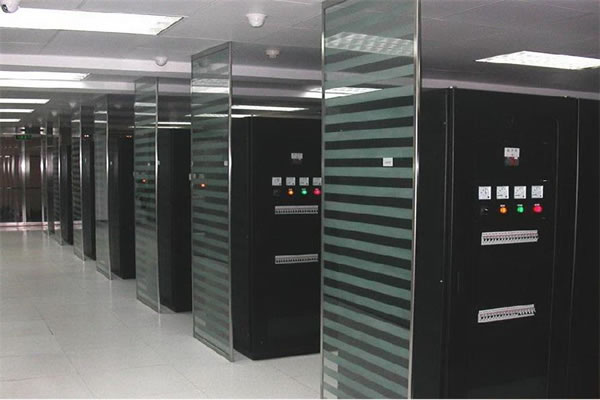
common hosting types include shared, virtual private server (vps), cloud hosting, dedicated servers and managed services. each type is different in performance, flexibility and management burden; e-commerce companies should choose based on concurrency, peak fluctuations and operation and maintenance capabilities to ensure that monthly expenditures bring corresponding business value.
bandwidth and traffic, computing and memory resources, storage io, backup and disaster recovery, management and support services, compliance and security functions will all affect the monthly cost. understanding various billing dimensions can help e-commerce companies reduce long-term costs by optimizing the architecture without sacrificing user experience.
measuring roi should combine indicators such as revenue improvement, conversion rate changes, customer retention, and operation and maintenance efficiency. it can establish baseline performance and track the conversion increment and cost difference after hosting adjustments, calculate net income and recovery cycle, and determine whether the monthly hosting investment has achieved the best return.
common strategies include using cdn to reduce latency and bandwidth burden, caching and staticization to reduce back-end pressure, elastic expansion and contraction on demand, database optimization and read-write separation, regular resource auditing and right-sizing of resources to improve performance and reduce ongoing costs.
when selecting a vendor, pay attention to slas, support response, availability history, and compliance capabilities, and use business peaks and growth expectations to negotiate billing models or discount strategies. long-term contracts and reserved instances can bring cost advantages, but flexibility and future scalability need to be considered.
to achieve "the best return on investment for e-commerce sites in a month", we should be oriented towards business goals and integrate performance requirements and long-term costs. it is recommended to conduct capacity and performance assessments first, use pilot deployments that can be monitored, and continuously optimize to ensure that monthly spend is truly driving business growth.
- Latest articles
- Popular tags
-

Achieve Independent Traffic Isolation For Different Business Lines Through Multiple IP Addresses Of US High-defense Servers
This article introduces the methods and best practices for achieving independent traffic isolation for different business lines through multiple IPs of US high-defense servers, covering architecture design, IP allocation, routing management, monitoring and operation and maintenance recommendations to improve availability and security. -

Analyzing The Connection And Routing Advantages Of Dual-line Server Hosting In The United States From A Technical Perspective
This article analyzes the connection and routing advantages of dual-line server hosting in the United States from a technical perspective, covering key points such as physical links, multi-operator strategies, BGP routing, traffic engineering, latency and availability optimization, and provides actionable suggestions. -

Evaluation Criteria And Contract Terms To Note When Choosing A US Semi-C Group Server Provider
This article introduces key evaluation criteria and contract terms to consider when selecting a US semi-C group server provider, covering performance, bandwidth, SLA, geographic latency, security, technical support, billing, and contract risk prevention, helping optimize SEO and GEO deployment decisions.