when choosing a us hosting server, how to judge the network and power stability of the us hosting server room is the core of the decision. this article focuses on the four major dimensions of network performance indicators, power architecture, actual measurement methods, and long-term monitoring. it provides actionable inspection items and testing suggestions, and is suitable for enterprises or site operation teams that have high requirements for availability and regional optimization.
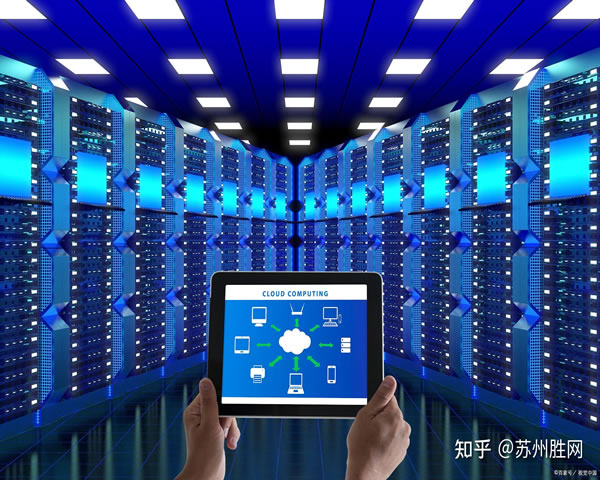
to judge the stability of the computer room network, you should pay attention to four core indicators: latency, jitter, packet loss rate and bandwidth availability. in addition, you must also check routing redundancy, the number of upstream and downstream operators, and interconnection peering status. these factors jointly determine the response and stability of cross-regional access. comprehensive indicators can be used to initially judge whether the network quality meets business requirements.
high-quality computer rooms usually adopt multi-link access and run bgp multi-line routing to achieve export diversity. confirm whether there are at least two independent upstream operators, different physical paths, and reasonable routing policies. asking the computer room about bgp neighbors, as numbers and route filtering policies will help determine route recovery capabilities when a single path failure occurs.
for actual testing, it is recommended to use tools such as ping, traceroute, and mtr to test the headquarters and target user networks separately, covering different time periods and business peaks. end-to-end measurements should also be performed on tcp handshakes and http requests to detect packet loss, retransmission, or path instability caused by intermediate devices or links. record and compare multi-node results to determine problem scope.
confirm whether the bandwidth provided is dedicated or shared, and understand committed rates, bursting capabilities, and potential oversubscription policies. use iperf or http/https-based concurrent downloads to test bandwidth, and observe jitter and throughput fluctuations under long-term transmission to evaluate stability in high-concurrency scenarios.
the power stability of the computer room relies on redundant designs such as dual mains input, ups uninterruptible power supply and backup generator. pay attention to whether to adopt n+1 or 2n redundant topology, power supply loop distribution, cable path redundancy and cabinet power distribution design. these directly affect the continuous power supply capability after a single point failure and business continuity within the maintenance window.
evaluate the generator including automatic start time, fuel inventory and periodic test records. good practice is to regularly simulate mains failure switching and record switching delays and load tolerance. find out if the plant has a long-term fuel security and maintenance plan to reduce the risk of long-term utility power outages.
the computer room should provide real-time network and power monitoring, including snmp/collection, alarm policy and historical log access rights. confirm whether there are 7x24 on-site noc or on-site operation and maintenance (remote hands) services, fault response sla and incident communication process. the rapid response mechanism is an important guarantee to reduce the scope of impact and recovery time.
in addition to internal design, it is also necessary to evaluate the natural and man-made risks of the location of the computer room, such as floods, earthquakes, or concentrated risks from nearby power facilities. check whether there is a geographically redundant backup or nearby off-site disaster recovery strategy, and whether it complies with local regulations and third-party reliability assessment, which can reduce the impact of a large regional failure on the business.
it is recommended to adopt multi-level monitoring: continuous passive monitoring and regular active stress testing. passive monitoring is used for around-the-clock alarms, and active testing (such as weekly/monthly link and switchover drills) is used to verify redundancy and switchover strategies. keep test records and share them with the computer room operator for long-term trend analysis and continuous optimization.
summary and suggestions: combine on-site document review and independent actual testing during the decision-making process, focusing on verifying multi-line bgp policies, delay/packet loss actual measurements, power redundancy topology and generator switching records, as well as operation and maintenance response capabilities. through standardized checklists and regular drills, we can significantly improve our understanding of "how to judge the network and power stability of us hosting server rooms" and reduce online and operation and maintenance risks.
- Latest articles
- Popular tags
-

How To Choose The Appropriate Configuration Based On Ceranetworks US Server Evaluation Results
Based on ceranetworks US server evaluation results, it explains how to interpret key indicators and choose appropriate configurations accordingly, covering practical suggestions in aspects such as CPU, memory, storage, network and scalability. -
Are US High-defense Servers Resistant To Complaints? Explanation Of Customer Rights Protection Paths And Cross-border Jurisdictional Risks
Analyze whether U.S. high-defense servers are resistant to complaints, specify customer rights protection paths (complaint against service providers, regulatory complaints, civil litigation, etc.), and explain cross-border jurisdiction, evidence collection risks, and preventive measures. -
Analysis Of The Applicable Scenarios And Restrictions Of The 20 Yuan Package Of The Us High-defense Cloud Server
professionally analyze the applicable scenarios and restrictions of the 20 yuan package of us high-defense cloud servers to help determine the feasibility and risks of this type of low-priced high-defense products in scenarios such as websites, games, development and testing, etc.