introduction: alibaba cloud korean server rental is a common choice when expanding in the asia-pacific market or deploying services to korean users. this article focuses on the migration and compatibility issues between alibaba cloud's korean computer room and other public clouds, covering practical suggestions at the network, compliance, storage, database and application levels to help technology and operation and maintenance teams reduce risks and improve availability.
why choose alibaba cloud korea server rental
choosing alibaba cloud korea server rental is usually based on latency, user experience and regional compliance requirements. alibaba cloud has a mature network and operation and maintenance ecosystem in asia-pacific, and is well interconnected with local backbone networks, making it suitable for business deployment in south korea and surrounding countries. before evaluation, you should first clarify the business sla and traffic volume to determine the instance specifications and bandwidth strategy.
network and latency optimization
network connectivity and latency are top considerations when migrating across clouds. before renting an alibaba cloud korean server, you should test the rtt and packet loss rate of the target users, and configure a dedicated line or cross-cloud acceleration solution to reduce latency. properly setting up load balancing and cdn can achieve traffic distribution and backup among different public clouds.
data sovereignty and compliance requirements
when personal information or sensitive data is involved, you must comply with the laws and regulations of south korea and the country where you do business. the data storage, backup and cross-border transmission policies of alibaba cloud's korean computer room need to be confirmed with the compliance team of the company. data classification, encryption requirements, and audit log retention strategies should be evaluated before migration to ensure regulatory requirements are met.
compatibility assessment - operating system and image
during cross-public cloud migration, operating system version and custom image compatibility directly affect migration costs. it is recommended to first conduct a compatibility test on the instance image, driver, and kernel module. if necessary, use the base image to rebuild the environment to avoid unexpected dependency problems caused by direct copying.
notes on database and storage migration
database migration is a critical step, and consistency, downtime windows, and performance changes need to be considered. use incremental synchronization, log replication, or a double-write strategy to reduce switchover risk. the api differences, access permissions, and life cycle policies of object storage and block storage also need to be mapped and adjusted in advance to ensure data integrity.
application and container migration strategies
microservices and containerized applications are more flexible when migrating, but you still need to pay attention to image warehouses, image acceleration, and network strategies. it is recommended to use container orchestration (such as kubernetes) and declarative deployment templates, combined with blue-green or canary releases to reduce switching risks, and verify the behavior of service discovery and load balancing in the alibaba cloud environment.
security and access control
identity and access management, key rotation, and network security group policies should be revisited after migration. alibaba cloud's acl, vpc, and security group configurations are slightly different from other public clouds. the principle of least privilege and multi-factor authentication must be incorporated into the implementation plan, and auditing and anomaly detection mechanisms must be introduced to prevent risks.
operations and cost visibility
migration is not only a technical task, but also affects the operation and maintenance process and cost monitoring. after leasing alibaba cloud's korean servers, the monitoring, alarm and logging systems should be integrated to ensure unified collection and analysis of cross-cloud indicators. develop capacity planning and elastic scaling strategies in advance to avoid performance problems caused by idle resources or sudden congestion.
summary and suggestions
summary: alibaba cloud korea server rental has obvious advantages for businesses oriented to the korean market, but when migrating or hybrid deployment with other public clouds, attention must be paid to network, compliance, compatibility, and security management. it is recommended to conduct small-scale testing first, gradually migrate, adopt automation and grayscale release strategies, and work closely with the compliance and security teams to reduce migration risks and ensure business continuity.

- Latest articles
- Technical Staff Analyzed Packet Loss And Routing Switching Phenomena When Zaozhuang Visited Hong Kong CN2 Slowly
- Purchase Channel Analysis: Assess Whether The US Private VPS 120 Information Network Is Trustworthy
- Long-term Stability Research: How Is Japanese CN2? How To Choose The Right Supplier
- Types And Selection Recommendations For Native Japanese IP Routes Safeguard Cross-border Business
- Field Test Report And Latency Analysis Of Performance Differences Between Vietnam's CN2 VPS And Standard Lines
- Price Transparency Comparison Platform Inventory Helps You Find The Real Prices Of US Class A Servers
- A List Of Network And Latency Metrics You Must Confirm Before Purchasing A Genshin Impact Taiwan Server Cloud Host
- How To Set Up A VPS On TikTok Singapore Video Upload And Automate Script Deployment Guide
- The Value Of Vietnamese Native Residential IPs In Localization Testing And Real User Behavior Simulation
- On Which Server Are Japanese Players On? Choose The Game Zone That Best Suits Your Time Zone And Gameplay
- Popular tags
-
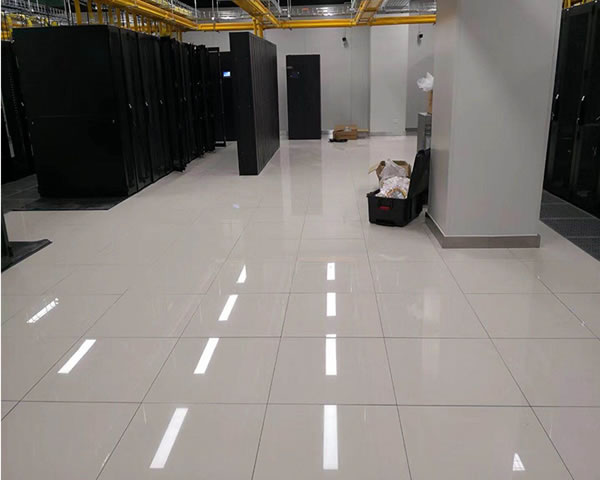
Analysis Of The Advantages And Applicable Scenarios Of Microsoft Cloud Korea Server
an in-depth analysis of the advantages and applicable scenarios of microsoft cloud korea server provides a reference for enterprises to choose cloud services. -
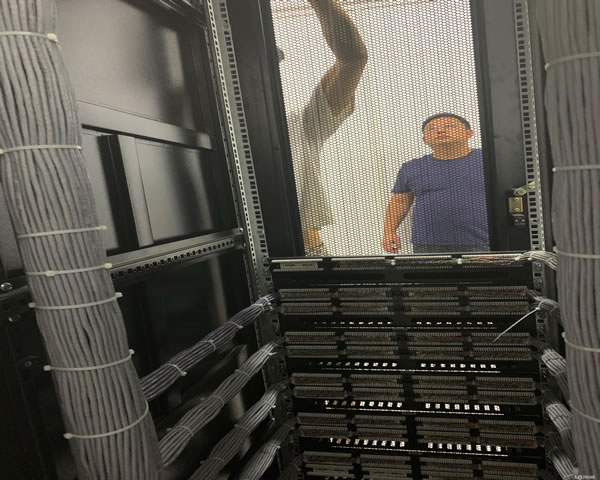
Analysis Of Best Practices In Log Management And Data Preservation Under Korean Vps Review
analyze the best practices for log management and data preservation of korean vps in a censored environment, covering compliance requirements, log collection and classification, encryption and access control, backup strategies and retention cycles, auditing and monitoring recommendations, to help operation and security teams reduce risks. -
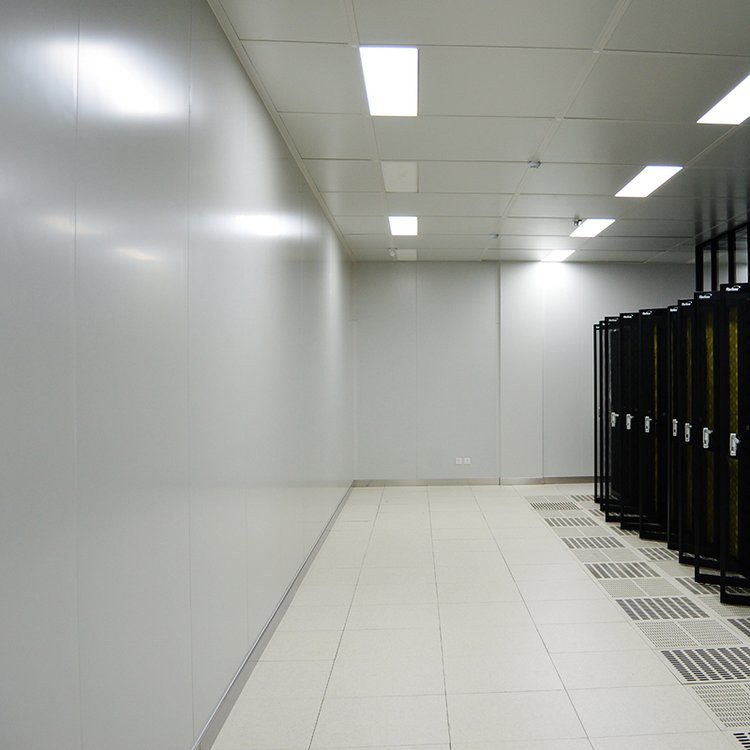
Research On The Impact Of The Status Of Korean Cloud Servers On Overseas Social Media Promotion
study how the current status of korean cloud servers affects overseas social media promotion, including the impact of latency, bandwidth, geolocation, regulatory compliance, and hybrid deployment on delivery effects and user experience, and provide optimization suggestions.