this article will analyze the bandwidth and computer room factors that affect the price of native ip in taiwan, and help buyers understand the cost structure and key considerations when choosing services. the article focuses on bandwidth specifications, billing models, computer room interconnection and operating costs, providing key points for decision-making to facilitate comparison and negotiation.
the impact of bandwidth type and billing method on price
bandwidth type (dedicated bandwidth, shared bandwidth, burst bandwidth) and billing method are the core factors that determine the cost of native ip in taiwan. each model of charging based on peak bandwidth, guaranteed bandwidth or traffic has its own focus; operators or computer rooms have differences in billing benchmarks, peak billing methods (such as 95 peak) and traffic liquidation, which will be directly reflected in the available bandwidth and unit price of each ip.
bandwidth quality (delay, packet loss, jitter) and sla
bandwidth quality affects the actual available value, and links with low latency, low packet loss, and high stability generally cost more. if the bandwidth service is accompanied by a clear sla (availability, failure recovery time) and multi-link redundancy, the operating cost of the computer room will increase, and the supplier will pass it on to the ip and bandwidth pricing. therefore, when evaluating "how much does taiwan's native ip cost?" quality assurance terms need to be considered at the same time.
the role of computer room location and network interconnection structure
the geographical location of the computer room and the interconnection with major operators and internet exchange centers (ix or ixp) will affect routing efficiency and bandwidth costs. computer rooms with abundant local interconnection have more advantages in domestic access and cross-border connections, reducing transit costs and delays. on the contrary, computer rooms with low interconnection or relying on upstream links will incur additional operating expenses due to transit traffic, which indirectly increases ip usage costs.
computer room level, facilities and operating costs
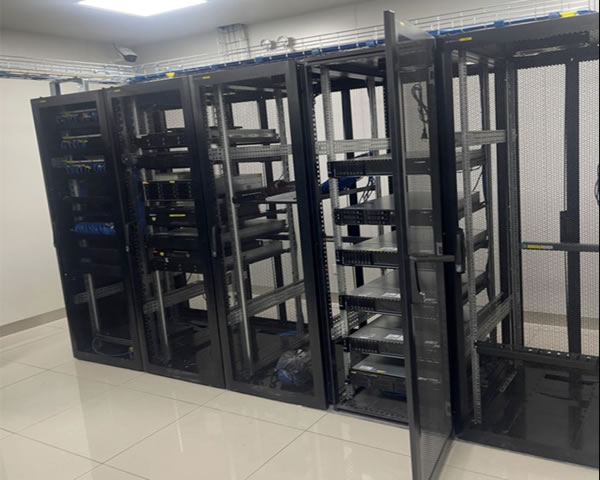
the level of the computer room (power redundancy, cooling, physical security, monitoring) and certification (such as operation and maintenance processes and safety standards) determine long-term operating costs. high-grade computer rooms require greater investment and maintenance costs, so ip resource and bandwidth pricing is usually on the high side. in addition, carrier-neutral computer rooms can provide more choices and room for negotiation, which affects the final comparability of "how much does native ip cost in taiwan?"
scarcity of ip resources and allocation costs
the supply of ip addresses themselves will also affect prices. ipv4 resources are generally scarce, and allocation and transfer in various places must comply with the policies of regional registration agencies. the cost of acquisition or transfer is higher than that of ipv6. the provider's management costs for allocation, maintenance and routing announcements (bgp) will ultimately be reflected in the ip selling price or lease fee, so scarcity is an important factor in pricing.
additional services (ddos, traffic cleaning and technical support)
additional services such as ddos protection, traffic cleaning, bgp route optimization and 7x24 technical support can significantly affect the overall cost. if taiwan's native ip comes with security services including cleaning and quick response, operators need to invest in protective equipment and elastic bandwidth. this cost is usually included in the price according to the service contract. the scope of services and billing details should be clearly stated when purchasing.
contract duration, payment and compliance factors
the contract period and payment method will directly affect the unit price: long-term contracts or one-time upfront payments usually provide better bandwidth and ip quota conditions. compliance and legal factors (such as data sovereignty, export controls, or local filing requirements) also affect deployment options and corresponding costs. combining these factors, we can more accurately determine the difference in "how much does taiwan native ip cost" under different supply plans.
evaluation and purchasing advice
during the procurement process, it is recommended to clarify traffic peak and latency requirements, list necessary additional services, and request sla and bandwidth test results. compare the interconnection conditions, backup links and operating qualifications of different computer rooms, and confirm ip ownership and transfer policies. based on demand, we combine trial and inquiry to obtain the most cost-effective taiwan native ip solution.
- Latest articles
- Analysis Of The Advantages Of German Independent Servers In Cross-border Data Processing From The Perspective Of Regulatory Compliance
- A Practical Guide To Listing And Deploying Taiwan Cloud Server On Amazon
- Research On The Access Speed And Conversion Rate Of E-commerce Websites After Using Japanese Line CN2 Transfer
- Technical White Paper South Korea’s Large Bandwidth Server Rental Architecture And Bandwidth Control Strategy
- A Must-read For Beginners: Practical Methods For Optimizing Performance After Downloading And Installing Vietnam Zombie Servers
- Shanghai Japan Cloud Server Network Latency Test And Optimization Implementation Plan
- Korean Group Website Advertising Strategy, Local Platform Selection And Conversion Rate Improvement
- Network Interconnection And Routing Practice Of Hong Kong Cloud Server Cn2 In Multi-cloud Architecture
- From Logs To Traceability, Tracking And Analysis Methods After Tencent Cloud Hong Kong Server Was Attacked
- Stable And Cheap Malaysian Server For Live Video Broadcast. Key Points Of Delay And Jitter Control
- Popular tags
-

Analysis Of The Use Scenarios And Market Prospects Of Taiwan's Native IP
Analyze the use scenarios and market prospects of Taiwan's native IP, and explore the development opportunities of the digital creative industry. -
Precautions And Suggestions For Choosing A Native IP Server In Taiwan
Learn the precautions and suggestions for choosing a native IP server in Taiwan to help you make wise decisions when building your website. -

Discussion On The Market Demand And Development Trend Of Taiwan’s Native Ip
discuss the market demand and development trends of taiwan's native ip, and analyze its potential and challenges in animation, games, film and television and other fields.