introduction: in the german railway system, the location and layout of the signal room are related to operational safety and emergency response efficiency. this article discusses where the german railway signal equipment room should be more reasonably laid out from the perspective of land use and emergency response, and provides an implementable reference for planning and operation and maintenance.
the layout follows the four principles of safety, accessibility, redundancy and environmental constraints. the signal equipment room must be close to control points and lines, but also need to avoid risk areas to ensure that maintenance personnel and emergency teams can arrive quickly and operate and evacuate safely.
land use assessment includes land use characteristics, planning restrictions, environmental protection and geological conditions. signal equipment rooms are usually not suitable to occupy urban core land. priority should be given to railway land or planning blank areas to avoid conflicts with historical protection or ecologically sensitive areas.
accessibility requires close vehicular access, emergency access, and commuter connections. the machine room should be arranged in a location that is convenient for maintenance vehicles and fire trucks to reach, and at the same time, night lighting and path indication should be taken into consideration to reduce fault response time.
power and communications are the core elements of the signal equipment room. the layout should ensure geographical separation of main power supply and backup power supply, and dual communication links to prevent single point failure from affecting overall train control and emergency communication capabilities.
avoiding low-lying areas prone to waterlogging is a basic requirement. the machine room should be equipped with a flood-proof pedestal, a sealed cable inlet and an independent fire-fighting system, and should use fire-resistant materials and automatic fire-extinguishing devices to ensure that it can quickly protect itself or cooperate with rescue in the event of natural disasters or fires.
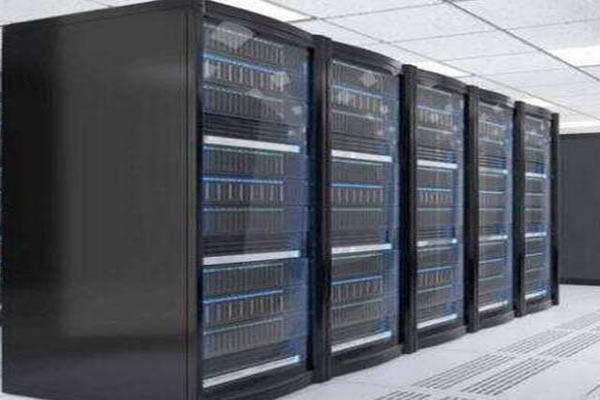
in urban environments, noise, protection and underground pipeline restrictions need to be taken into consideration, while in rural areas, long distances from stations and power supply coverage must be considered. in different scenarios, the location of the computer room should be flexibly adjusted to balance cost, security and maintainability.
emergency response design requires that the computer room not only facilitates daily maintenance, but also must meet the needs of rapid switching and rescue coordination in emergencies. the layout should support on-site command, information reporting and linkage with fire medical units.
clear emergency passages should be reserved around the computer room, clearly marked and kept open all year round. establish a plan and conduct regular drills with the local emergency management department to ensure that rescue vehicles and personnel can arrive and take over the disposal in the shortest possible time.
remote monitoring, automatic alarm and remote switching are the keys to improving recovery speed. through distributed monitoring and redundant control, remote troubleshooting and rapid system recovery can be achieved when the site is restricted, reducing dependence on the site.
conclusion: determining where to locate german railway signal equipment rooms should take into account land use, accessibility, power communication redundancy and disaster prevention needs. it is recommended that planning be combined with gis risk assessment, collaboration with local governments, and the development of a complete emergency drill and maintenance system.
- Latest articles
- Which Industries Are Vietnam Vps Independent Servers Suitable For And A Summary Of Selection Considerations?
- Technical White Paper: Cambodia Cn2 Network Architecture And Future Upgrade Direction Discussion
- Home Network Optimization Guide Routing Settings Suggestions For Which Server Ps5 Malaysia Belongs To
- Comparative Evaluation Of Malaysia Vps Cn2 Gia Domestic Cross-border Acceleration Effect And Delay Analysis
- Practical Tips For Optimizing The Performance Of VPS Dedicated Line Singapore In A Multinational Office Scenario
- Evaluate The Access Performance Of Domestic Cn2 Taiwan From The Perspective Of SEO And GEO Optimization And Propose Improvements
- A Must-read For Corporate Decision-makers: How Much Does A Korean Cloud Server Cost? Suggestions On Weighing Against Service Quality Assurance
- Hong Kong Cn2 Lightweight Deployment Process Guide From Purchase To Online
- Enterprise Buying Guide Why Renting A German Server Dedicated Line Is More Reliable Than An Ordinary Line
- Hong Kong Cloud Server CDN Deployment Process And Cost Optimization Practical Guide
- Popular tags
-
In-depth Understanding Of The Security And Management Strategies Of German Data Rooms
A deep understanding of the security and management strategies of German data rooms, discuss the security measures and management methods of data centers, and ensure data security and business continuity. -

Detailed Explanation Of German Computer Room Wiring Methods To Help Efficient Data Management
detailed explanation of german computer room cabling methods to facilitate efficient data management and improve computer room operational efficiency and safety. -

Why Online Games And Financial Transactions Prefer German Low-Latency Server Hosting
Explore why online games and financial transactions prefer hosting on low-latency servers in Germany, covering geographic and network advantages, compliance and security, availability and redundancy, latency optimization, and SEO optimization analysis and recommendations for operational support.