in hong kong's highly concentrated data center market, how enterprises choose the most suitable cabinet solution among hong kong's four major computer rooms is an important issue in it procurement and operations. this article breaks down key evaluation dimensions from a professional perspective to help companies strike a balance between compliance, cost and performance. whether it is hosting, renting a cabinet or building a self-built cabinet, clarifying the needs and characteristics of the computer room is the first step.
hong kong's four major computer rooms have different emphasis on geographical location, operator density and infrastructure maturity. when comparing, attention should be paid to the interconnection of sites, backbone network nodes, business continuity levels (such as tier standards or equivalent sla), and risks around the computer room (earthquakes, floods, power stability). these differences directly affect cabinet availability and application performance.
when choosing a cabinet solution, start with the enterprise itself: current equipment power and u-bit requirements, estimated growth in the next three to five years, requirements for redundancy (n, n+1 or higher), whether a private network or hybrid cloud connection is required, etc. evaluate scalability and ensure that cabinet layout, pdu, and cabling have margins to avoid frequent migration or expansion costs in the future.
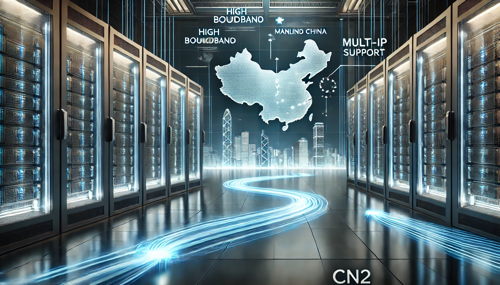
in hong kong, financial, media and edge computing services are latency-sensitive. when choosing a cabinet, you need to consider the number of operators in the computer room, the direct connection to the exchange or cloud platform, the available cross-connect service price and latency indicators. the switching nodes and peering ecosystem near the cabinet directly determine the access speed and link redundancy capability.
the cabinet plan should focus on evaluating the power density of a single cabinet, pdu configuration, dual power paths, and the cooling strategy of the computer room (air conditioning, cold water or hot aisle closure). for high-density computing, it is necessary to confirm whether the computer room supports high-power-density cabinets and corresponding cooling solutions to avoid frequent load shedding or shortened hardware life due to insufficient cooling.
physical and logical security are equally important. verify computer room access control, biometric identification, video surveillance, personnel access records, fire suppression and smoke prevention systems, and whether they meet common compliance requirements (such as data localization or industry regulatory requirements). also confirm the terms of the contract regarding access control, alarm response and auditability.
it is recommended that enterprises follow the process of "demand mapping → on-site assessment → technical rfp → trial operation" to select cabinet solutions among the four major computer rooms in hong kong: first clarify business and growth expectations, then compare connectivity, power supply, cooling and safety compliance items, conduct on-site verification and confirm performance through pilots. taking both costs and risks into consideration, give priority to cabinet solutions that can support long-term business expansion and efficient operation and maintenance.
- Latest articles
- Detailed Explanation of Performance Testing Metrics and Stress Testing Plans for Hong Kong Server Clusters
- A content distribution optimization solution using geolocation-based query of Taiwan’s web server addresses
- Setup Guide: Using Taiwan’s native static IP to achieve a stable remote access solution
- Performance Comparison and Selection of Hong Kong BGP and CN2 Routes for Cross-Border Access
- Comparison of application-oriented Malaysia VPS evaluation results for website and game hosting needs
- Database Optimization: US Cloud Server Host Configuration, Analysis of IO Performance and Disk Types
- Beginner's Guide: What are the prices of original Korean IPs? What are the cost differences for different usage scenarios?
- The Role of Vietnam’s CN2 in Interconnection Across Multiple Countries and Guidelines for Adjusting Corporate Network Architectures
- Why are IDCs in South Korea cheaper than VPSs? An analysis of price advantages from the perspective of hardware depreciation and leasing strategies
- Popular tags
-

logistics process and precautions for sending servers to hong kong
this article details the logistics process and precautions for sending servers to hong kong to help you successfully complete logistics transportation. -

comparative test on packet loss between hong kong return cn2 and ordinary return lines
a comparative test on the packet loss performance of hong kong's backhaul cn2 line and ordinary backhaul lines, including test environment, methods, result interpretation and optimization suggestions to help choose a suitable backhaul solution. -
Market price analysis and purchasing guide for Hong Kong native IP
This article analyzes the market price of native IP in Hong Kong and provides a purchasing guide to help users understand market trends and choose appropriate services.