this article shares from a professional perspective how to combine vietnam’s native residential ip with a proxy pool to achieve stable and high-concurrency data capture capabilities. it provides practical technical ideas around architecture design, scheduling strategies, anti-detection and compliance requirements, and is suitable for reference by technical teams who want to optimize crawler performance in vietnamese target domain names or geo scenarios.
vietnam's native residential ip originates from home networks or mobile terminals, and has higher credibility and lower probability of being blocked. for scenarios where the target site has strong localization detection in vietnam, the native residential ip can effectively reduce the verification trigger rate and improve the request success rate, but you also need to pay attention to network fluctuations and bandwidth limitations.
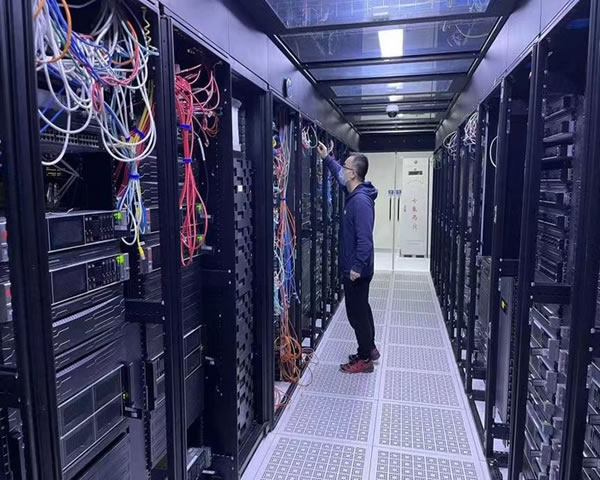
in terms of architecture, it is recommended to use a hierarchical proxy pool: the upper layer is responsible for intelligent scheduling and task allocation, the middle layer maintains ip health and whitelists, and the lower layer is the actual proxy export. classify vietnam's native residential ips by region, isp, delay and other tags to facilitate on-demand scheduling and routing optimization, and achieve more accurate geo request distribution.
the ip rotation strategy should take into account frequency and session consistency. for sensitive operations, use long sessions to bind the same ip and ua, and for large batches of ordinary crawls, use short-cycle rotation and record session fingerprints. implementing session persistence reduces verification code triggers and improves proxy pool stability.
in high-concurrency scenarios, it is recommended to use a distributed scheduler and a token bucket rate limiting mechanism to dynamically adjust the number of concurrencies based on the behavior of the target site. allocate concurrent quotas to different ips, and combine delayed feedback with real-time attenuation rates to avoid short-term bans or service degradation caused by concentrated requests.
to reduce the risk of fingerprinting, disguised http headers, tls fingerprints, browser fingerprints and access rhythms should be combined. using a real browser kernel or a headless browser coupled with local vietnamese language and time zone settings can significantly reduce anomaly scores while retaining reasonable behavioral randomness.
high-concurrency crawling can easily produce duplicate and inconsistent data. it is recommended to use a strategy that combines hash deduplication, incremental crawling, and distributed caching: use url fingerprints to quickly determine duplication before crawling, and use version numbers or timestamps after crawling to ensure data consistency and reduce repeated requests.
compliance and privacy protection must be taken into consideration when scraping data in vietnam or any region. clarify the terms of use of the target site, comply with local laws and international privacy regulations, desensitize and control access to sensitive data, and conduct regular legal assessments to avoid compliance risks.
it is recommended to establish an end-to-end monitoring system, covering request success rate, response delay, ip health, verification code rate and error code distribution. combined with the alarm and automated recovery mechanism, automatic agent offline, blacklist update and traffic redistribution are realized to improve system availability and fault recovery speed.
prioritize scalable containerization and stateless service partitioning when deploying, and use on-demand expansion to reduce peak costs. reduce the number of requests through hierarchical caching, intelligent routing and batch task merging, thereby optimizing bandwidth and proxy usage costs while ensuring crawl quality.
the combination of vietnam's native residential ip and proxy pool is an effective means to achieve high concurrency crawling. it is recommended to first establish a small-scale pilot to verify ip health and anti-detection effects, and then gradually expand the capacity; at the same time, pay attention to compliance, monitoring and automation to ensure stable and controllable crawling capabilities under high concurrency.
- Latest articles
- How The Operations Team Monitors And Optimizes The Performance And Availability Of VNPs CN2 In Vietnam
- Detailed Guide On How To Achieve Low-latency Matches On The Infinite Rule + Thai Servers
- Analysis Of Stable And Affordable Server Configurations And Cost-effectiveness For Small And Medium-sized Enterprises In Malaysia
- Analysis Of The Advantages Of Choosing US Server Hosting For Enterprises In Cross-border Business
- Case Analysis Of The Types And Upgrade Paths Required By Different Industries For Hong Kong Server Clusters
- Choose And Recommend How US Cloud Server Nodes Evaluate Operator Quality And Bandwidth Stability
- Suggestions For Optimizing Latency For Genie Festival Taiwan Servers And Practical Experience On Stable Connections
- Merchant Announcements, Summary Of Thai Washing Machine Room Prices, Latest Promotions, And Package Descriptions
- Technical Advice On Optimizing Bandwidth Peak And Traffic Billing When Renting A Singapore Server
- How Do Home Users Rate Taiwan Telecom's CN2 Broadband? Overview Of Bandwidth Availability And Service Quality
- Popular tags
-

Beginner's Guide To Quick Start Deployment And Frequently Asked Questions About Vietnam Cn2 Server
this vietnam cn2 server quick-start deployment and faq guide for novices covers purchase preparation, image and system installation, network configuration, bandwidth optimization and common troubleshooting, and provides practical operation and maintenance suggestions. -

Explore The Market Trends And Developments Of Server Native IP In Vietnam
This article will conduct in-depth discussion on the market trends and developments of server native IP in Vietnam and analyze its importance in the network environment. -

The Current Situation And Future Development Direction Of Serverless Mobile Phones In Vietnam
this article explores the current situation and future development direction of mobile serverless in vietnam, and analyzes market demand, technical challenges and development trends.