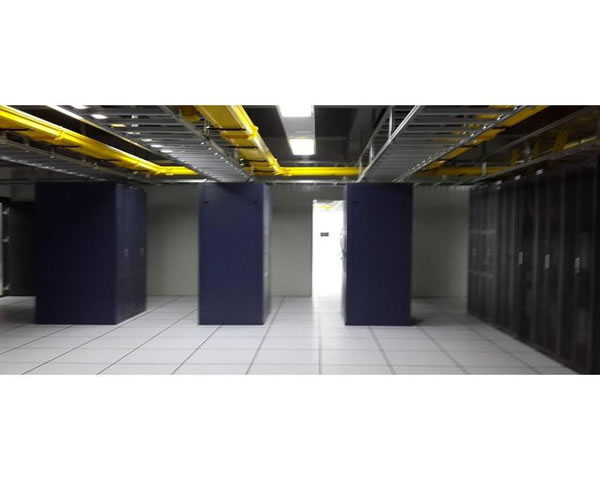
Advantages and applicable scenarios for leasing servers in Cambodia
The advantages of leasing (hosted or cloud hosting) are fast startup, controllable costs, and on-demand scalability. Suitable for short-term projects, scenarios with high traffic fluctuations, or those who do not want to bear hardware depreciation. Leasing providers typically handle data centers, bandwidth, and basic operations, allowing users to focus on business deployment, while geographic location and latency still need to be evaluated against local Cambodian network quality.
Advantages and applicable scenarios for purchasing (self-built or purchased physical servers).
Purchasing physical servers is suitable for enterprises with long-term stable business and high data control requirements. Self-purchasing gives you complete control over hardware, customized configurations, and security strategies, with long-term total costs possibly lower than leasing. However, they must bear the responsibilities for data centers, power, bandwidth, and operations and maintenance themselves. The initial investment and management complexity increase significantly, requiring assessment of internal operation and maintenance capabilities and compliance obligations.
Performance vs. network latency comparison (key considerations).
Performance is affected by CPU, memory, disk, network bandwidth, and data center interconnection. Renting cloud resources is flexible but may be affected by multiple tenants; physical purchases provide more stable hardware exclusive performance. When choosing a Cambodia server, pay attention to local ISP interconnection quality, bandwidth uplink stability, and data center TIER rating—these factors directly determine user access latency and service experience.
Cost and lifecycle assessment (long-term perspective).
Comparing leasing and buying should be considered from the perspective of TCO (Total Cost of Ownership), including hardware depreciation, data center rent, electricity, bandwidth, operations and maintenance labor, and upgrade costs. Leasing reduces initial capital expenditure, but long-term lease expenses may accumulate higher than self-purchase. Decisions should be based on business growth forecasts and cash flow realities, while also considering flexibility for future migration or expansion.
Security, compliance, and data sovereignty issues
Security policies and compliance requirements for Cambodian servers must be prioritized. Purchasing physical equipment facilitates stricter data isolation and physical security measures, while rental providers typically offer standardized security services such as DDoS protection and backup. When selecting, verify data center compliance certificates, backup and recovery capabilities, and vendors' compliance with local laws and data sovereignty.
Comparison of operations and technical support
Response speed and depth of support are crucial to business continuity. Leasing services can choose a hosting solution that includes operations and maintenance, with suppliers bearing hardware failures and network issues, while self-purchasing requires establishing an internal operations and maintenance team or outsourcing management. Evaluating vendor SLAs, fault handling processes, and localization support capabilities is an important criterion for determining which Cambodian server is better.
Scalability, migration, and future sustainability
When considering business expansion, leasing cloud resources typically support on-demand elastic scaling, resulting in lower migration costs; Physical self-purchase, on the other hand, may face procurement and launch cycles when expanding capacity. Considering business growth rates, anticipated technology iterations, and disaster recovery needs, developing hybrid or phased solutions can balance initial costs with long-term sustainability, reducing supplier lock-in risk.
Summary and suggestions
Summary: Leasing and buying each have their own focus. For short-term, flexible needs and those seeking to reduce operational pressure, priority should be given to leasing hosting or cloud solutions; For long-term applications with high requirements for performance and data control, self-purchased management servers can be evaluated. When comparing Cambodian server providers, focus on performance, network, operations, and compliance, and make a balanced decision based on your own business scenarios.
- Latest articles
- Dedicated Server Rental In Malaysia And Public Cloud Collaboration Practice In Hybrid Cloud Architecture
- A Comparative Analysis Of Where To Buy Native Taiwanese IPs From An Enterprise-level Demand Perspective On Bandwidth And Services
- Cost Analysis: Cambodia Junk Servers Are Cheap In The Short Term And Compare The Real Long-term Maintenance Costs
- How Can Companies Determine Whether There Are Many Bandwidth Issues With VPS In South Korea And The Traffic Peak Response Manual?
- Enterprise Migration Guide: Why Prioritize Professional US Server Hosting Providers
- When Choosing Vultr Japan Speed CN2, Pay Attention To Network Peak And Bandwidth Stability
- Analysis Of Bilibili's Group Mockery Of Korea: Interpretation Of Social Opinion Formation And Dissemination Mechanisms
- Best Practices For Optimizing Server Hosting Performance And Automated Operations In Germany For Developers
- Guide To Choosing A CN2 Dedicated Line Server Provider In Hong Kong And Key Points For Contracts
- Network Latency Analysis Of Taiwan Cloud Servers Adapts Optimization Recommendations For Cross-border Access
- Popular tags
-
User Experience Analysis Of Using Cn2 Return Server In Cambodia
this article analyzes the user experience of using cn2 return server in cambodia, including network speed, stability and security, and provides a reference for users to choose. -
Analyze The Stability And Advantages Of Cambodia’s Cn2 Network
in-depth analysis of the stability and advantages of cambodia's cn2 network, and discussion of its importance in internet connectivity. -

The Role Of Regular Detection And Vulnerability Scanning In Preventing Cambodian Servers From Being Attacked By Hackers
discuss the role of regular detection and vulnerability scanning in preventing cambodian servers from being attacked by hackers, covering threat types, scanning methods, implementation strategies and response processes, and providing practical security suggestions.