Introduction: When discussing “how to evaluate what a Taiwan superserver means and what costs and ROI changes it brings,” it is first necessary to clarify the concepts and the scope of evaluation. This article focuses on technical characteristics, cost structure, key performance indicators, and risk management, providing a practical and quantifiable evaluation framework suitable for IT decision-makers and procurement teams as a reference.
What is a Taiwan super server
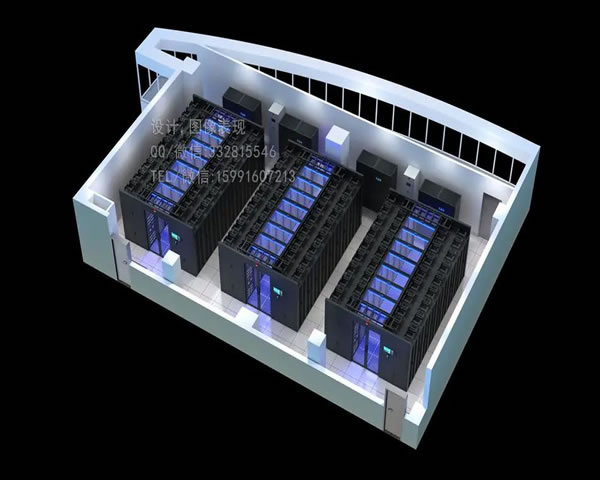
Taiwan’s super servers generally refer to server clusters or stand-alone solutions with high-density computing, low-latency networking, and high-reliability design. When evaluating, factors such as CPU/GPU density, network switching architecture, storage I/O performance, and scalability must be considered, while also distinguishing between the differences and applicable scenarios of cloud services and on-premises deployments.
Technical Features and Architecture Highlights
Technically, the key aspects include processor type, memory channels, PCIe topology, NVMe storage, as well as technologies such as RDMA or Converged Fabric. Architecture decisions affect unit performance and energy consumption ratio, thereby directly impacting operational costs and service availability assessments.
Deployment Patterns and Geographic Advantages
Taiwan has advantages in terms of low geographical latency, regional network connectivity, and supply chain efficiency, but it also faces risks such as climate or natural disasters. Choosing intra-region or cross-region redundancy, using third-party data centers, or building your own facilities all affect the overall cost and risk exposure.
Cost composition: From CAPEX to OPEX
Cost evaluation should be broken down into two main categories: initial capital expenditure and long-term operating expenses. In addition to hardware equipment, it also includes data center facilities, power and cooling systems, network connectivity, as well as personnel and management tools. The overall investment needs to be measured from a total cost of ownership (TCO) perspective.
Key points on initial capital expenditure (CAPEX)
CAPEX includes server procurement, rack installation, power and cooling infrastructure, as well as installation and testing. A reasonable assessment takes into account expanded reserve space and replacement cycles, as well as the impact of depreciation and asset management strategies on financial statements.
Components of Operating Expenses (OPEX)
OPEX includes electricity costs, internet bandwidth, maintenance and operational staff, software licenses, security monitoring, and backup services. Long-term energy efficiency, hardware reliability, and degree of automation directly affect annual operating costs and total cost of ownership (TCO).
Key metrics for measuring ROI
Quantitative indicators should be used when evaluating ROI: Performance per cost (Perf/$), resource utilization, availability (SLA compliance rate), mean time to repair (MTTR), and business revenue growth. These metrics can convert technical data into financial or operational value.
Methods for measuring performance and utilization
Measurement methods include baseline testing, actual load simulation, and resource monitoring. High utilization can improve capital efficiency, but excessive utilization may increase the risk of failures and delays; therefore, a balance must be struck between performance and redundancy.
Cost recovery period and net present value (NPV) analysis
ROI analysis should calculate the payback period and net present value to evaluate long-term value. Combining sensitivity analysis allows for an assessment of financial resilience under different scenarios of load, energy consumption, and failure rates, helping decision-makers choose the optimal solution.
Risk, Compliance, and Continuous Improvement
Deploying in Taiwan requires consideration of data protection, industry regulation, and supply chain risks. Regular risk assessments, disaster recovery drills, contract terms, and Service Level Agreements (SLAs) are necessary measures to reduce operational risks and ensure ROI. Ongoing monitoring and optimization cannot be ignored either.
Conclusions and Recommendations
Conclusion: To evaluate “what does ‘Taiwan super server’ mean and what costs and ROI changes does it bring,” a quantitative and segmented analysis approach should be adopted, starting from four aspects: technical specifications, CAPEX/OPEX, performance metrics, and risk management. It is recommended to first conduct small-scale pilots, baseline testing, and TCO simulations, before scaling up deployment based on the results, to ensure costs remain under control and ROI can be clearly measured.
- Latest articles
- Popular tags
-
Availability Monitoring: Real-time Status Detection Method Of Taiwan Airport Native IP Node
This article introduces the availability monitoring and real-time status detection methods for Taiwan Airport's native IP nodes, covering node identification, connectivity detection, distributed monitoring, alarm mechanisms and compliance precautions, to facilitate service availability and problem location efficiency. -

How Can Enterprises Choose Stable And Reliable Native Taiwan IP Dedicated Line Solutions To Ensure Fast Access Speeds?
This article explains how businesses can choose stable and reliable native Taiwan IP dedicated line solutions, covering key aspects such as bandwidth, latency, redundancy, SLAs, supplier evaluation, and testing and verification, to ensure fast access speeds and business continuity. -

The Best Way To Get Taiwan Server Address Lets You Get Started Quickly
This article introduces the best way to obtain Taiwan server addresses, helping users get started quickly and select suitable network services.