Introduction: In the era of mobile internet, research on the compatibility and response speed of U.S. site cluster servers focuses on evaluating technical bottlenecks and optimization paths for U.S. mobile users, balancing regionalized services with compliance requirements to support SEO and GEO traffic growth.
Currently, the U.S. market has diverse terminal and network environments. Cluster servers need to support different operating systems, browser kernels, and mobile network types in terms of compatibility; At the same time, efforts should be made to minimize access anomalies caused by cross-origin and version adaptation, ensuring crawler crawling and user experience.
Mobile compatibility mainly lies in responsive layout, resource loading strategies, and script compatibility. Site networks should prioritize testing common mobile browser features, using progressive enhancement and feature detection to avoid user-side rendering errors, thereby improving mobile page integrity and indexing rates.
A reasonable CDN node layout can alleviate cross-regional compatibility differences and reduce resource return requests. Set near-source caching strategies for different U.S. states and integrate them with site cluster routing strategies to maintain consistency while improving loading stability, which benefits localized SEO performance.
Response speed assessment should include first byte time (TTFB), content preparation time, interaction availability time, and full load time. Factors affecting this include network latency, bandwidth jitter, server processing capacity, and third-party resource calls, all of which directly affect mobile page rankings and user retention.
In the United States, reducing round-trip times is especially important. Mechanisms such as Keep-Alive, HTTP/2 or HTTP/3, and TLS session multiplexing can reduce handshake frequency and connection overhead. Combining geo-routing with Anycast effectively lowers latency and improves mobile response speed.
On the server side, the cluster should be configured with efficient connection pools, asynchronous processing, and caching strategies to handle concurrent access. Proper use of edge computing and microcaching is crucial for reducing primary source stress and stable response times, while ensuring that logging and monitoring do not become performance bottlenecks.
For deployment, a layered architecture is recommended: edge CDN, regional nodes, and central origin stations. Combined with geographic load balancing and intelligent DNS, local response can be achieved. Site networks should unify resource version control and robots/meta strategies to avoid duplicate content affecting SEO performance and improve indexing efficiency.
Deploying site networks in the U.S. market requires balancing local privacy regulations (such as CCPA) and propagation rules, reasonably managing IP pools and anti-cheat strategies to ensure compliance standards are not violated while improving response speed and coverage, thereby maintaining long-term search engine trust.
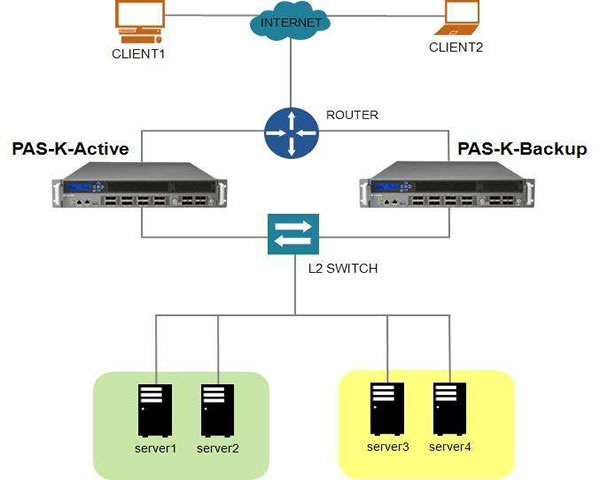
Summary: In the era of mobile internet, the compatibility and response speed of U.S. site cluster servers directly affect website visibility and user experience. It is recommended to adopt layered CDN, protocol optimization, mobile-first compatibility strategies, and compliant IP management, continuously monitor key metrics, and drive data-driven iteration to enhance GEO and SEO performance.
- Latest articles
- Popular tags
-

How To Negotiate A U.S.-based Independent Server Hosting Contract For Better Maintenance And Support Terms
It explains how to negotiate contracts for hosting independent servers in the United States to obtain better maintenance and support terms, covering SLAs, response times, backups, change management, compliance, and negotiation strategies, suitable for procurement and technical teams. -

Is The Us High-defense Server Good? Real User Evaluation Analysis
this article analyzes real user reviews of u.s. high-defense servers, discusses their performance, stability, and applicable scenarios to help you make a wise choice. -

Log Audit Us Server Address Qr Code Scanning Records And Security Compliance Suggestions
this article discusses the risks and compliance points of log auditing us server address qr code scanning records, and provides practical suggestions on log collection, storage, analysis and security control, which is suitable for enterprise it and compliance teams.