with the continuous expansion of data center scale and the increasing computing demand, traditional air cooling technology has gradually failed to meet the requirements of high-performance computing. taiwan liquid cooling servers are becoming the new favorite of data centers with their excellent thermal performance and energy efficiency advantages. this article will explore the technical advantages and application prospects of taiwan's liquid cooling servers in depth.
liquid cooling technology mainly conducts heat conduction and dispersion through liquid media, and has a higher thermal conductivity than air cooling. a liquid cooling system is usually composed of coolant, cooling components and pumps. the coolant circulates inside the server, absorbs heat and then releases heat through an external cooling system. this process not only improves heat dissipation efficiency, but also reduces the temperature of the equipment, thereby extending the service life of the hardware.
taiwan liquid cooling servers have many technical advantages. first, the liquid cooling system can operate under higher thermal loads, significantly improving the performance density of the server. secondly, the energy consumption of liquid cooling technology is lower than that of traditional air cooling, especially in high temperature environments, the energy efficiency ratio of liquid cooling systems is more obvious. in addition, the low noise level of liquid-cooled servers helps improve the working environment of the data center and reduces dependence on cooling equipment.
taiwan's liquid-cooled servers are gradually increasing in applications in data centers, especially in areas such as high-performance computing (hpc), artificial intelligence (ai) and big data analysis. liquid cooling technology can effectively improve the computing power of these applications and meet the needs of high power consumption and high heat dissipation requirements. in addition, with the popularity of cloud computing and edge computing, the flexibility and scalability of liquid-cooled servers also provide more choices for data centers.
in the field of high-performance computing, taiwan's liquid-cooled servers have particularly obvious advantages. due to its superior thermal dissipation performance, liquid-cooled servers can support higher cpu and gpu performance, thereby accelerating the completion of computing tasks. at the same time, liquid cooling technology can reduce the failure rate of the system and improve computing stability, which is crucial to fields such as scientific research and engineering computing. as a result, more and more high-performance computing centers choose liquid-cooled servers as a core component of their infrastructure.
in the future, taiwan's liquid cooling servers will continue to innovate in technology, such as developing more efficient coolant and optimizing liquid cooling system design to further improve heat dissipation efficiency. at the same time, the popularization of liquid cooling technology also faces some challenges, including cost, technical standardization and market acceptance. therefore, relevant companies need to actively promote the commercialization of liquid cooling technology and promote its application in a wider range of fields.
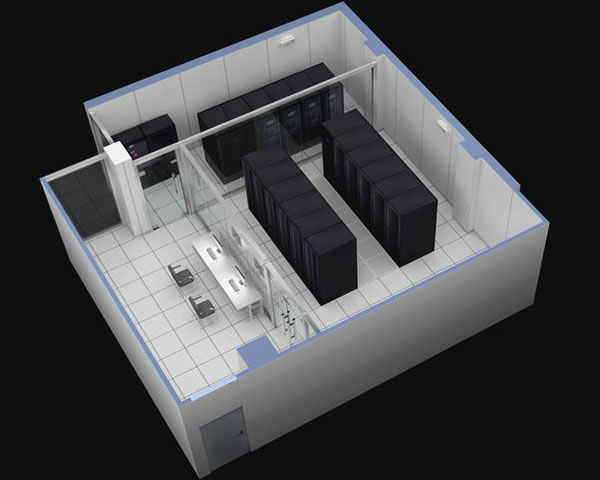
with its excellent thermal performance and energy efficiency advantages, taiwan liquid cooling servers have shown broad application prospects in data centers and high-performance computing fields. with the continuous advancement of technology, liquid cooling technology will become an important part of data centers in the future. when choosing a server, enterprises can consider liquid-cooled servers to improve their computing power and energy efficiency ratio. at the same time, they should also pay attention to the latest developments in liquid-cooling technology in order to gain an advantage in the fierce market competition.
- Latest articles
- Popular tags
-
Performance Evaluation And User Feedback Summary Of Taiwan Servers
This article comprehensively evaluates the performance of Taiwan servers and summarizes user feedback to help users choose the right server. -
Performance Evaluation And Comparison Of Taiwan Vps Native Ip Cloud Hosts
this article conducts a comprehensive performance evaluation and comparison of taiwan vps native ip cloud hosts to help you choose a suitable server solution. -

How To Choose The Taiwan Cloud Server Purchasing Channel That Suits You
this article introduces how to choose the taiwan cloud server purchasing channel that suits you, and provides a variety of options to help users make wise decisions.