In this article, "Free Server Security Protection Strategy and Backup Implementation Guide for Korea," we provide actionable security protection and backup implementation recommendations for free servers deployed in South Korea or targeting Korean users, balancing compliance and effectiveness, suitable for small and medium-sized teams and operations personnel.
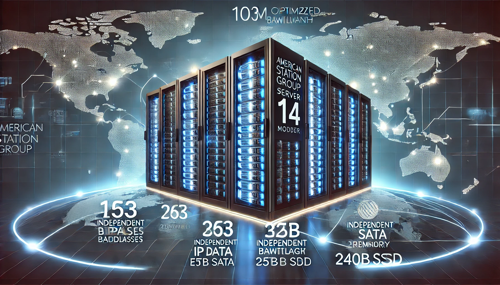
The network environment in South Korea features high-frequency bandwidth and strict compliance requirements. For free servers, security measures must be implemented from the network, system, and application layers, prioritizing reducing exposure, enhancing log visibility, and strengthening backup policies.
Foundation hardening includes disabling unnecessary services, restricting management ports, enabling SSH key login, disabling password authentication, and using baseline configuration templates. For free instances, prioritize the minimum installation and managed software repository to reduce the attack surface.
Implement minimum port policies using host-level firewalls (such as iptables/nftables or cloud security groups); Implement network segmentation and whitelisting for Web, database, and management interfaces, restrict cross-subnet access, and record connection attempts.
Establish a regular patch update process and enable automatic security update notifications. For free servers, it is recommended to validate patches in the image or test environment during the maintenance window, then batch roll back or apply them to reduce the risk of going live.
Implement role-based access control (RBAC) and the principle of least privilege, review SSH access users, disable direct root login, and record and regularly verify privileged accounts to reduce lateral movement risks caused by credential leaks.
Mandatory Multi-Factor Authentication (MFA) on supported platforms, with single sign-on or temporary authorization mechanisms for management dashboards. Implement periodic rotation and fine-grained permission control for API keys and credentials.
Deploy lightweight intrusion detection solutions (HIDS/NIDS) and centralized log collection, define critical event alerts (login failure, abnormal traffic, configuration changes), and ensure log retention meets investigation and compliance requirements.
Establish clear incident response processes: detection, isolation, traceability, remediation, and recovery. Prepare rapid recovery steps and timelines for free servers, and practice common attack scenarios within the team to improve response efficiency.
Design the 3-2-1 backup principle (local, offsite, offline replica) combined with incremental backup and snapshot mechanisms. Backup frequencies are set separately for databases and configuration files to ensure rapid restoration of business continuity in the event of server damage.
Choose a reliable offsite storage location to ensure that offsite replicas are physically or network-isolated from the main site. For free resources, prioritize trusted object storage or third-party backup solutions, and regularly check the integrity of the backup.
For the practices recommended by the "Free Server Korea Security Protection Policy and Backup Implementation Guide," prioritize minimizing exposure, strict access control, automated patching, and regular backups, combined with intrusion detection and drills, continuously optimizing security and recovery capabilities to ensure service stability for Korean users.
- Latest articles
- Free Server Korea Security Protection Policy And Backup Implementation Guide
- Cost And Operation Management Recommendations For Enterprises Deploying Korean CN2 Site Cluster Cloud Servers
- Basic Information On Taiwan Proxy Servers, Common Terminology Explanations, And Purchase Precautions
- How To Choose A Cloud Server In Thailand: From Network Latency To After-sales Service, Comprehensive Aspects
- Recommended Recommendations For Operators To Improve Thailand's High-Defense VPS Protection And Bandwidth Stability By Comparison
- Optimized Storage Costs For Hong Kong Hosted Servers, Hard Disk Servers, Layered Storage, And Cold Archiving Solutions
- Are Tencent Cloud Korean Servers Native? Recommendations For Local Service Provider Integration And Latency Optimization
- The Enterprise Migration Guide Teaches You How To Apply For US Dual-line Server Hosting To Ensure Compliance
- How Does AWS Cloud Server In Japan Charge? Bill Analysis And Fee Alert Settings
- Beginner's Guide: Which Hong Kong Site Cluster Servers Are Best To Use? Choose Based On Your Business Scale
- Popular tags
-
Recommendation And Evaluation Of The Best Korean Cloud Servers In 2023
this article recommends and evaluates the best korean cloud servers in 2023, covering performance, stability, security and other aspects to provide a reference for users to choose. -
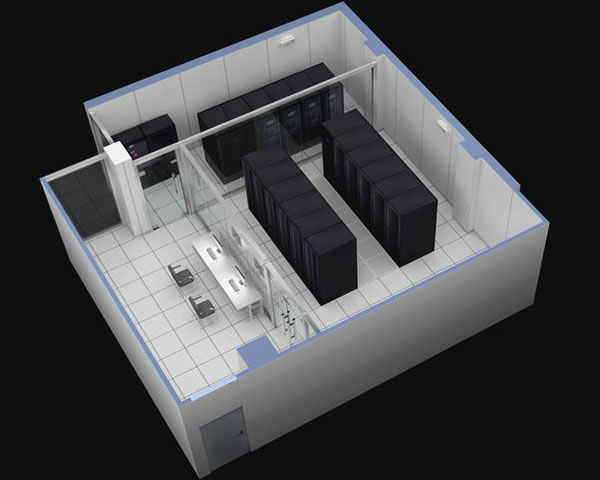
Best Practices And Suggestions For Renting A Korean KT Site Group Server
This article discusses the best practices and suggestions for how to rent a Korean KT site group server to help users optimize SEO effects. -
How To Choose A Stable Alternative After A Korean Server Crash
This article explores in-depth how to choose a stable alternative after a Korean server crash, including the pros and cons of various options and considerations.