All articles containing the tag [
Geographical Location
]-

How To Test The Effectiveness And Stability Of Native Japanese IPs In Real-World Scenarios
It explains how to test the performance and stability of native Japanese IPs in real-world scenarios, including methods for setting goals, testing connectivity, latency and packet loss, concurrent sessions, application-layer compatibility, as well as monitoring recommendations.
Native Japanese IPs Trial Of Native Japanese IPs Testing Of Japanese IPs IP Stability Network Connectivity Latency And Packet Loss Testing -

For IT Teams: What Does “Hong Kong-native IP” Mean And What Is Its Value In Network Security Protection?
Guide for IT Teams: It explains the meaning of Hong Kong’s native IPs, their value in network security protection, and practical recommendations, including key points on compliance, detection, and deployment, to help enhance protection and response capabilities in the Hong Kong environment.
Hong Kong-native IP Native IP Network Security IT Team Hong Kong IP Protection IP Geolocation Threat Intelligence -

Cn2 Detailed Guide To Site Selection Factors And Data Center Facility Standards For Singapore Hosting Facilities
This guide provides a comprehensive overview of the factors to consider when selecting a hosting facility in CN2 Singapore, as well as the standards for facility infrastructure. It covers aspects such as network connectivity, geographical location, power and cooling solutions, physical and network security, compliance requirements, and scalability, to assist businesses in making informed decisions.
CN2 Singapore Data Center Hosting CN2 Location Of Data Centers In Singapore Standards For Data Center Facilities Data Centers Latency Redundancy Interconnection -
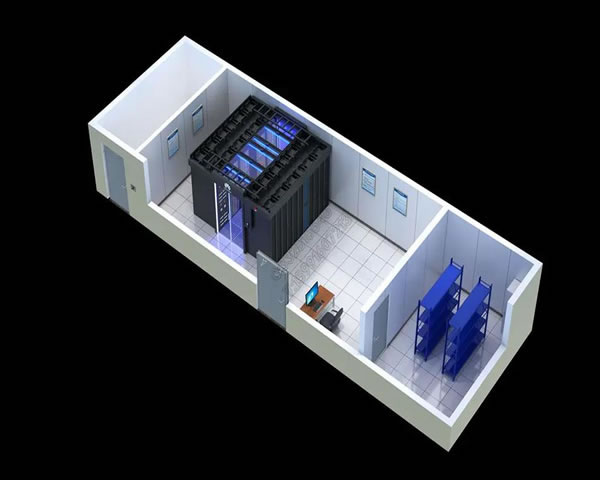
Where Did Korean Original IPs Originate? An Analysis Of The Network Transmission Path From The Korean Backbone To The User Side
Analyzes the starting points and transmission routes of Korean native IPs, from IP allocation and AS announcements, to the Korean backbone network, international exits, switching centers, and finally to the end-user side, providing technical insights and key points for positioning judgments.
Korean Original IP Origin Of Korean IP BGP Routing Backbone Network Undersea Optical Cables User-side Network IP Geolocation Korean Network Transmission Routes -

Sharing Of Deployment Experience For Alibaba Cloud Hong Kong CN2 Connection And Key Points For Troubleshooting Common Issues
Share experiences in deploying Alibaba Cloud’s Hong Kong CN2 network and key points for troubleshooting common issues, including network characteristics, bandwidth and latency optimization, BGP routing configuration, system tuning, practical troubleshooting steps, and monitoring and backup recommendations, to help improve stability and availability.
Sharing Of Deployment Experience For Alibaba Cloud Hong Kong CN2 Network: Key Points For Troubleshooting Latency Optimization And BGP Monitoring -

US Regional Server Addresses: How To Determine The Data Center Level And Bandwidth Quality Based On The Address
It explains how to determine the data center tier and bandwidth quality using U.S. regional server addresses, covering key aspects such as IP lookup, ASN identification, Tier standards, links and interconnections, as well as actual latency and packet loss measurements, to help choose the right data center and bandwidth plan.
US Regional Server Addresses Data Center Tier Bandwidth Quality IP Location ASN Data Center Tier Latency Packet Loss -

Key Considerations: Taiwan Servers, US Servers, Data Sovereignty And Compliance Issues
Compare key considerations regarding data sovereignty and compliance between Taiwan servers and U.S. servers. It covers speed, latency, security, legal risks, compliance requirements, and decision-making processes to help businesses make choices that balance compliance with performance.
Taiwan Servers U.S. Servers Data Sovereignty Compliance Data Privacy Cross-border Data Legal Requests Key Considerations For Selection -

Evaluation Of Taiwan Cloud Servers From A Developer’s Perspective: Assessment Of Development Efficiency And Stability
Evaluating Taiwan-based cloud servers from a developer’s perspective, focusing on network latency, deployment speed, performance elasticity, storage reliability, and availability, while providing practical recommendations for development efficiency and stability.
Taiwan CVMs Development Efficiency Stability Latency SLA CI/CD API Persistent Storage Disaster Recovery Backup -
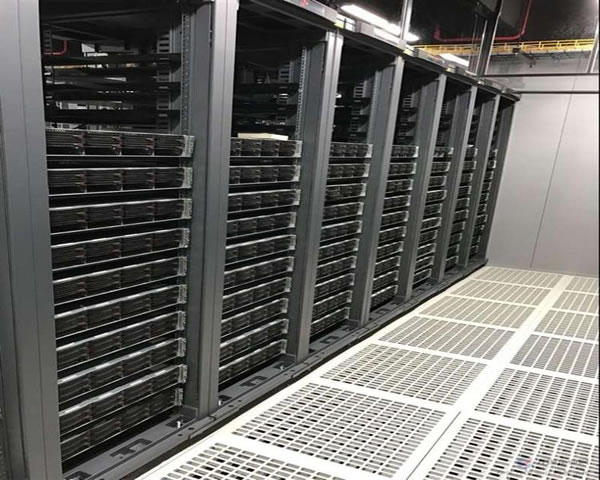
Analysis Of Why Server Hosting In U.S. Cera Data Centers Has Become A Preferred Node For Content Distribution
Analyze the advantages of hosting servers in U.S.-based CERA data centers for content distribution, covering key factors such as network connectivity, latency, bandwidth, security compliance, scalability, and operations maintenance, while providing recommendations for node selection optimized for SEO and GEO considerations.
U.S. Cera Data Centers Server Hosting Content Distribution Optimal Nodes CDN Low Latency Bandwidth Data Centers