introduction: after the u.s. vps installation system is completed, initial security hardening and protection configuration are the primary tasks to reduce the risk of intrusion. this guide focuses on practical and executable steps, taking into account performance and compliance, and is suitable for search and deployment needs in the us region.
initial hardening should follow the three principles of least privilege, timely updates, and recoverability. prioritize system updates, account and ssh hardening, firewall rules and log configurations. reasonably allocate priorities, first ensure remote access security and then gradually deepen the detailed protection at the service level.
synchronize system patches and configure trusted software sources immediately after completing system installation. enable automatic security updates or regularly check for patches to ensure the kernel and common services are patched. for us vps, choosing a software image that is similar to the host region can improve update speed and stability.
create a non-root administrative user and disable root password login, give priority to ssh key authentication, turn off password login or limit the number of failed attempts. adjust the ssh port and limit the ip or network segments allowed to log in as needed, and cooperate with public key management to significantly reduce the risk of brute force cracking.
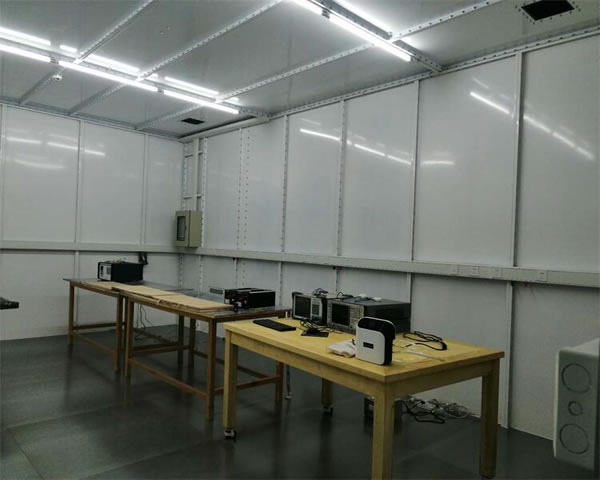
configure the host firewall (such as iptables, ufw or firewalld) to open only necessary ports and manage inbound rules according to service whitelist. external services should limit the scope of outbound connections and use stateful inspection rules and port rate limits to mitigate scanning and primary ddos attack traffic.
deploy fail2ban or similar tools to automatically block repeated failed attempts, and combine baseline detection with simple ids (such as ossec or log-based monitoring) to achieve abnormal behavior alerts. link detection strategies with firewalls to improve response speed to lateral penetration and brute force cracking.
enable system and application logs, and configure centralized or remote log collection to prevent log tampering. establish a regular backup strategy and verify recoverability. keep key audit records for post-analysis, and set appropriate log retention periods when compliance requirements are met.
strengthen the network stack by adjusting sysctl parameters (such as disabling responses to icmp redirects, enabling syn cookies, etc.), limiting core dumps, and minimizing executable services. enable mandatory access control functions such as selinux or apparmor, and use file permissions and service account isolation to reduce the attack surface.
establish real-time monitoring and alarming (resources, abnormal logins, port changes), and write emergency response processes and recovery steps. cooperate with regular audits and vulnerability scanning to maintain long-term security posture, and conduct closed-loop review of security incidents to improve protective measures.
summary: the initial security hardening and protection configuration after the us vps system is installed should be implemented in steps: update the system, harden remote access, configure the firewall, deploy detection and backup, and enable kernel-level protection and monitoring. it is recommended to develop written operation and maintenance and backup procedures and conduct regular drills to ensure long-term stability and compliance.
- Latest articles
- Popular tags
-
Comprehensive Guide And Suggestions For Renting Alibaba Cloud Us Servers
comprehensively understand alibaba cloud's us server rental guidelines and recommendations to help you choose the appropriate server solution. -
-
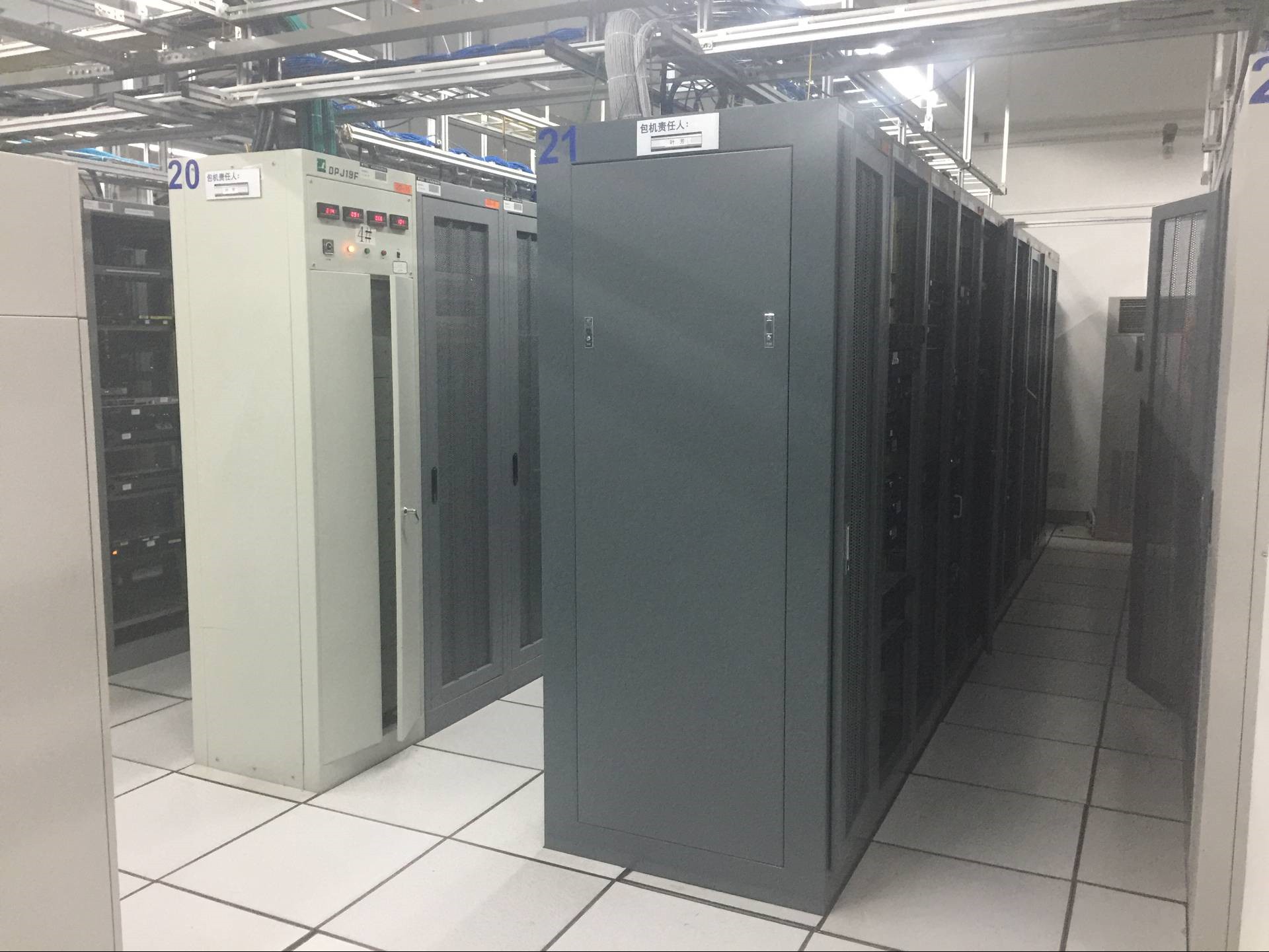
How Startups Evaluate The Costs And Expansion Strategies Of Renting Cloud Servers In The United States
provide start-up companies with cost assessment and expansion strategy guidance for renting cloud servers in the united states, covering cost composition, resource forecasts, pricing models, expansion methods, compliance and monitoring suggestions, to help make reasonable decisions and long-term controllable growth.